Better Sleep, Simplified.
Blue‑free, flicker‑free light designed for evening wind‑down and night feeds.
Our Sleep‑Friendly Range
Blue‑free, flicker‑free light designed for evening wind‑down and night feeds.

HaloLume Red Sleep Lamp
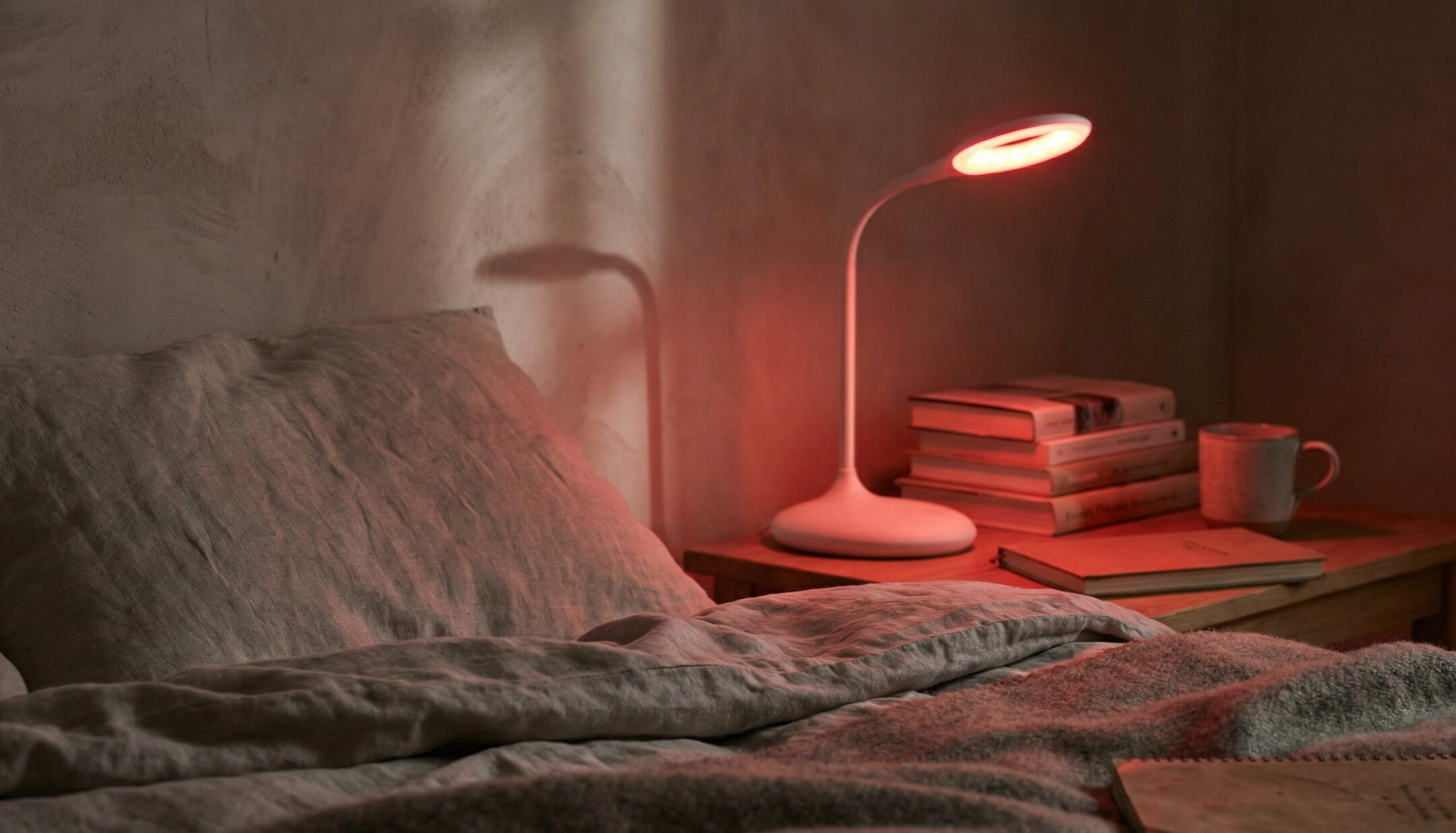
Pure 660 nm red. 0% blue.

HaloLume Amber Sleep Lamp
Soft amber for reading and wind‑down.
Why Solcadya Lighting?
Lighting designed for calm nights, better sleep environments, and more intentional evening routines.
How It Works
Solcadya uses a blue-free light spectrum intended for the final 1–3 hours before bed. By avoiding the blue light commonly found in standard LEDs, it creates a gentler visual environment that feels more suitable for winding down.
Why Blue-free Light?
Standard white LEDs often include blue light that can feel bright at night. Solcadya uses a blue-free light spectrum designed for evening use, creating a softer, calmer lighting environment that feels more appropriate for activities like reading, late feeds, and wind-down routines.
Steady, low glare
Soft, steady illumination designed to reduce harsh brightness and visual strain. The focused light makes it comfortable for evening reading, journaling, or quiet tasks without overwhelming the space.
How It Works
Bright, blue-rich light can feel stimulating at night. Solcadya uses a blue-free light spectrum with soft, adjustable brightness, designed to create a calmer visual environment for evening use.Blue-free spectrum
Adjustable brightness
Designed for evening wind-down
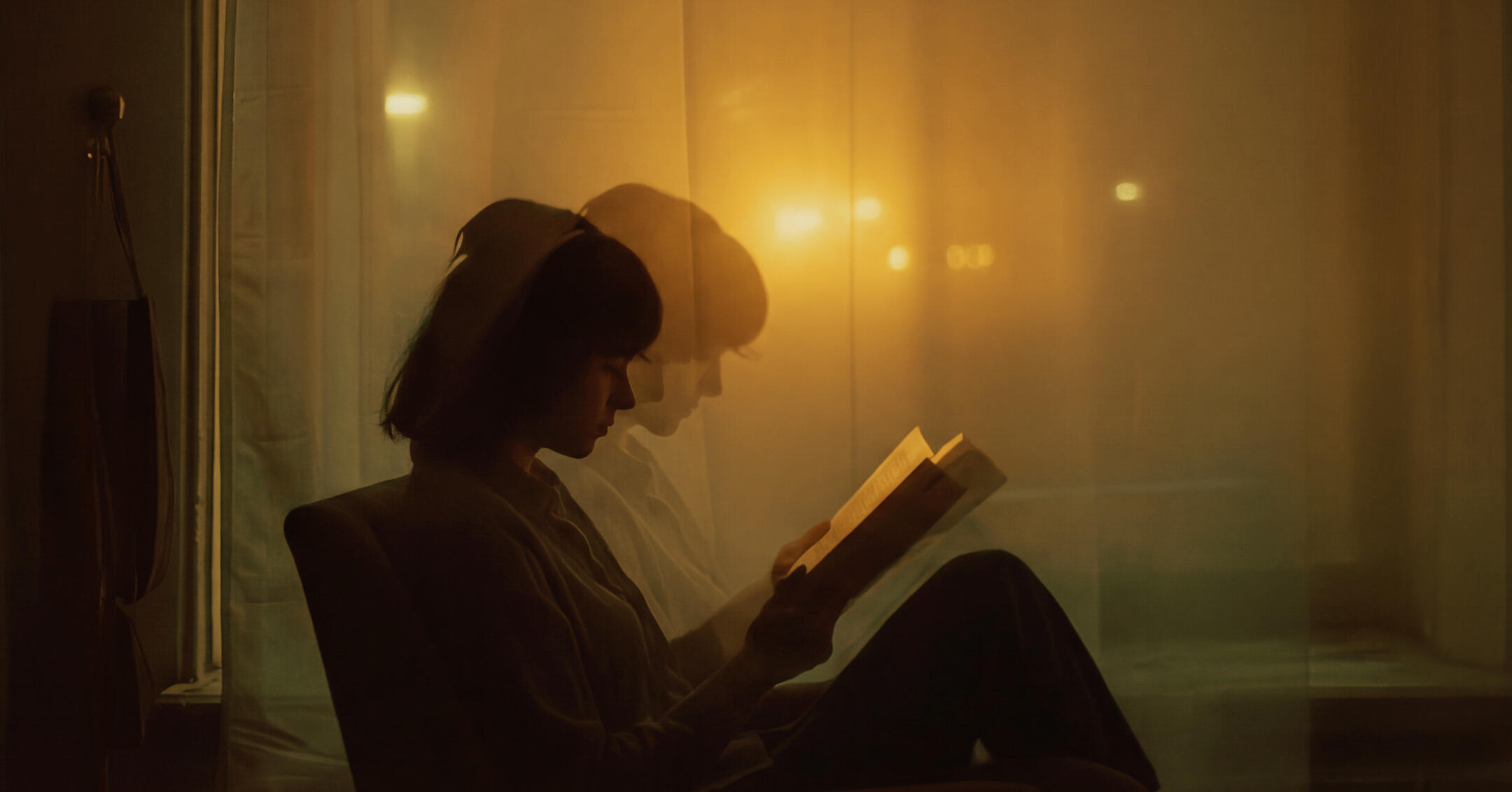
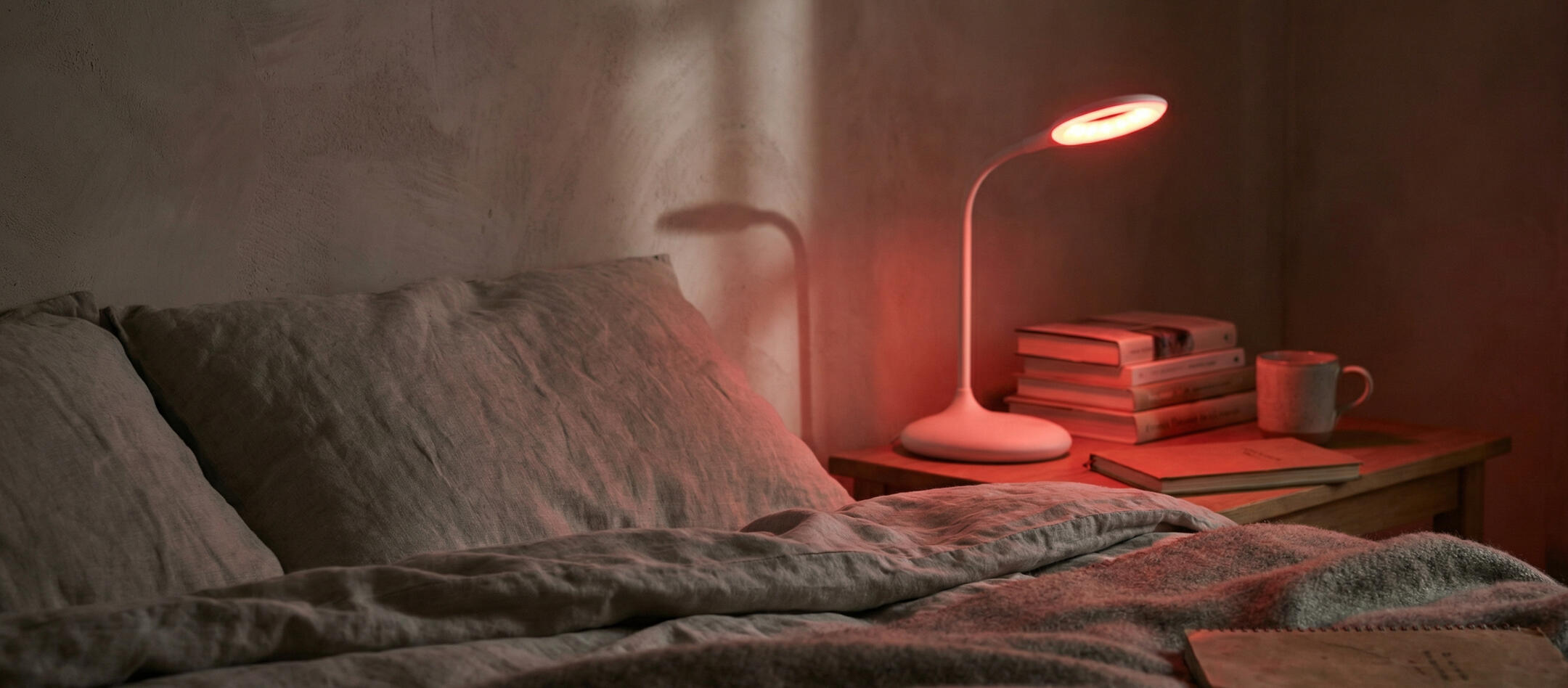
Regular vs Circadya
Light spectrum: Regular = Includes blue · Circadya = Blue-free
Visual Comfort: Regular = Can feel harsh or uneven · Circadya = Flicker‑free
Ambience: Regular = Bright, cool tone· Circadya = Calm & soft
Loved by Customers
“Stylish, simple, and it really works. I fall asleep faster and feel more rested.”
— Jamie, Sydney
Recommended Reading
Evening Light

How evening light shapes your body clock, melatonin, and quality of rest.
Evening Rituals

Why your bedroom’s sights, sounds, and textures set the stage for restorative sleep.
Understanding Circadian Rhythm

A calm wind-down cues your brain for sleep: light stretch, warm shower, quiet reading, low light.
Share, Review, Learn
Glow. Tag. Enjoy.
Post your lamp, tag us, and unlock rewards as part of our growing sleep-well community
Your Words Matter
Tell us about your experience, your words help guide our journey forward.
About
About Us
About Circadya
Solcadya began with a simple goal: to help people end their day feeling calm and ready for rest, and wake up feeling refreshed. We know what it’s like to feel restless at night, surrounded by bright screens or harsh lighting when all you want is quiet and ease. That experience is what led us to create something different. Lighting designed to feel more appropriate for the evening, not disruptive to it.We’re a small team of night readers and parents who care deeply about good rest and simple routines. Our lighting is practical, safe, and guided by science, shaped by real use in real homes by people like us, and people like you.


What We Stand For
Guided by Research: Our lighting is informed by established research and careful testing, not guesswork.
Community First: We listen, learn, and improve through real feedback from the people who use our products.
Simplicity: Lighting should be easy to use, thoughtfully designed, and made to last.
Get in Touch
Get in touch
We’re a small team who truly care about better sleep and our community.
Whether you have a question, feedback, or just want to say hi, we’d love to hear from you.Email us directly at [email protected] and we’ll get back to you quickly.
You can also connect with us on socials—we share updates and sleep tips at Circadya.
Email Us
[email protected]
We’ll get back to you
Collabs & Ambassadors
Got an product idea? Want to be part of the Circadya movement?
Reach out via email or hit the Reward page
Welcome to Circadya
Your premium, science‑backed sleep lamp. Leave a review, share your glow, or explore our guide.
Share the glow
Post your Circadya in its evening home and tag @circadya + #CircadyaRest.

leave a review
Tell us about your experience. Your words help guide our journey forward and help others choose calm evening light.

Sleep Tips
Evidence‑informed, simple habits to ease into the night, short reads curated by Circadya.
Why Circadya Lighting?
Lighting designed for calm nights, better sleep environments, and more intentional evening routines.
How It Works
Solcadya uses a blue-free light spectrum intended for the final 1–3 hours before bed. By avoiding the blue light commonly found in standard LEDs, it creates a gentler visual environment that feels more suitable for winding down.
Why Blue-free Light?
Standard white LEDs often include blue light that can feel bright at night. Solcadya uses a blue-free light spectrum designed for evening use, creating a softer, calmer lighting environment that feels more appropriate for activities like reading, late feeds, and wind-down routines.
Steady, low glare
Soft, steady illumination designed to reduce harsh brightness and visual strain. The focused light makes it comfortable for evening reading, journaling, or quiet tasks without overwhelming the space.
How It Works
Bright, blue-rich light can feel stimulating at night. Solcadya uses a blue-free light spectrum with soft, adjustable brightness, designed to create a calmer visual environment for evening use.Blue-free spectrum
Adjustable brightness
Designed for evening wind-down
Regular vs Circadya
Light spectrum: Regular = Includes blue · Circadya = Blue-free
Visual Comfort: Regular = Can feel harsh or uneven · Circadya = Flicker‑free
Ambience: Regular = Bright, cool tone· Circadya = Calm & soft
Loved by Customers
“Stylish, simple, and it really works. I fall asleep faster and feel more rested.”
— Jamie, Sydney
Guides
Practical, evidence-informed tips you can start tonight. Keep what works, leave what doesn’t.

Evening blue-rich light can delay melatonin and push sleep later. Use warm, low light in the last 1–3 hours before bed.
Falling Asleep
Evening Light

Evening blue-rich light can delay melatonin and push sleep later. Use warm, low light in the last 1–3 hours before bed.
Bedroom Environment

A calm wind-down cues your brain for sleep: light stretch, warm shower, quiet reading, low light.
Evening Rituals

A calm wind-down cues your brain for sleep: light stretch, warm shower, quiet reading, low light.
Daytime Foundations

Evening blue-rich light can delay melatonin and push sleep later. Use warm, low light in the last 1–3 hours before bed.
Circadian Rhythm

A calm wind-down cues your brain for sleep: light stretch, warm shower, quiet reading, low light.
Light Through the Day

A calm wind-down cues your brain for sleep: light stretch, warm shower, quiet reading, low light.
Quick Wins (Tonight)
Switch to warm/red-amber light 1–3 hours before bed; keep brightness low.
Screens: enable Night Shift/blue-light filters and dim brightness.
Caffeine: avoid within 6+ hours of bedtime.
Alcohol: skip the “nightcap” — it fragments sleep later.
Keep a consistent sleep/wake window (even weekends).
Staying Asleep
How Light Affects Sleep

Evening blue-rich light can delay melatonin and push sleep later. Use
Why You Wake at Night

A calm wind-down cues your brain for sleep: light stretch, warm shower, quiet reading, low light.
Night Light and Sleep Quality

A calm wind-down cues your brain for sleep: light stretch, warm shower, quiet reading, low light.
Sleep Quality vs Duration

Evening blue-rich light can delay melatonin and push sleep later. Use warm, low light in the last 1–3 hours before bed.
Sleep When the Schedule Shifts

For shift workers, rotating rosters, night work
Rest for Those Who Work at Night

A calm wind-down cues your brain for sleep: light stretch, warm shower, quiet reading, low light.
Sleep for New Parents

Evening blue-rich light can delay melatonin and push sleep later. Use warm, low light in the last 1–3 hours before bed.
Sleep After Stressful Days

For shift workers, rotating rosters, night work
Deep Sleep in Shared Spaces

A calm wind-down cues your brain for sleep: light stretch, warm shower, quiet reading, low light.
Sleep Across Time Zones

Evening blue-rich light can delay melatonin and push sleep later. Use warm, low light in the last 1–3 hours before bed.
When Sleep Is Light by Nature

For shift workers, rotating rosters, night work
Sleep in a Screen-Filled World

A calm wind-down cues your brain for sleep: light stretch, warm shower, quiet reading, low light.
Quick Wins (Tonight)
Switch to warm/red-amber light 1–3 hours before bed; keep brightness low.
Screens: enable Night Shift/blue-light filters and dim brightness.
Caffeine: avoid within 6+ hours of bedtime.
Alcohol: skip the “nightcap” — it fragments sleep later.
Keep a consistent sleep/wake window (even weekends).
Daytime Habits That Help at Night

Sleep Science Library
Evidence summaries on light, temperature, exercise, caffeine, alcohol, and more.
Move Your Body
Evidence summaries on light, temperature, exercise, caffeine, alcohol, and more.

Explore products that aid rest

HaloLume Red Sleep Lamp
Pure 660 nm red. 0% blue.

HaloLume Amber Sleep Lamp
Soft amber for reading and wind‑down.
Quick Wins - Waking Well
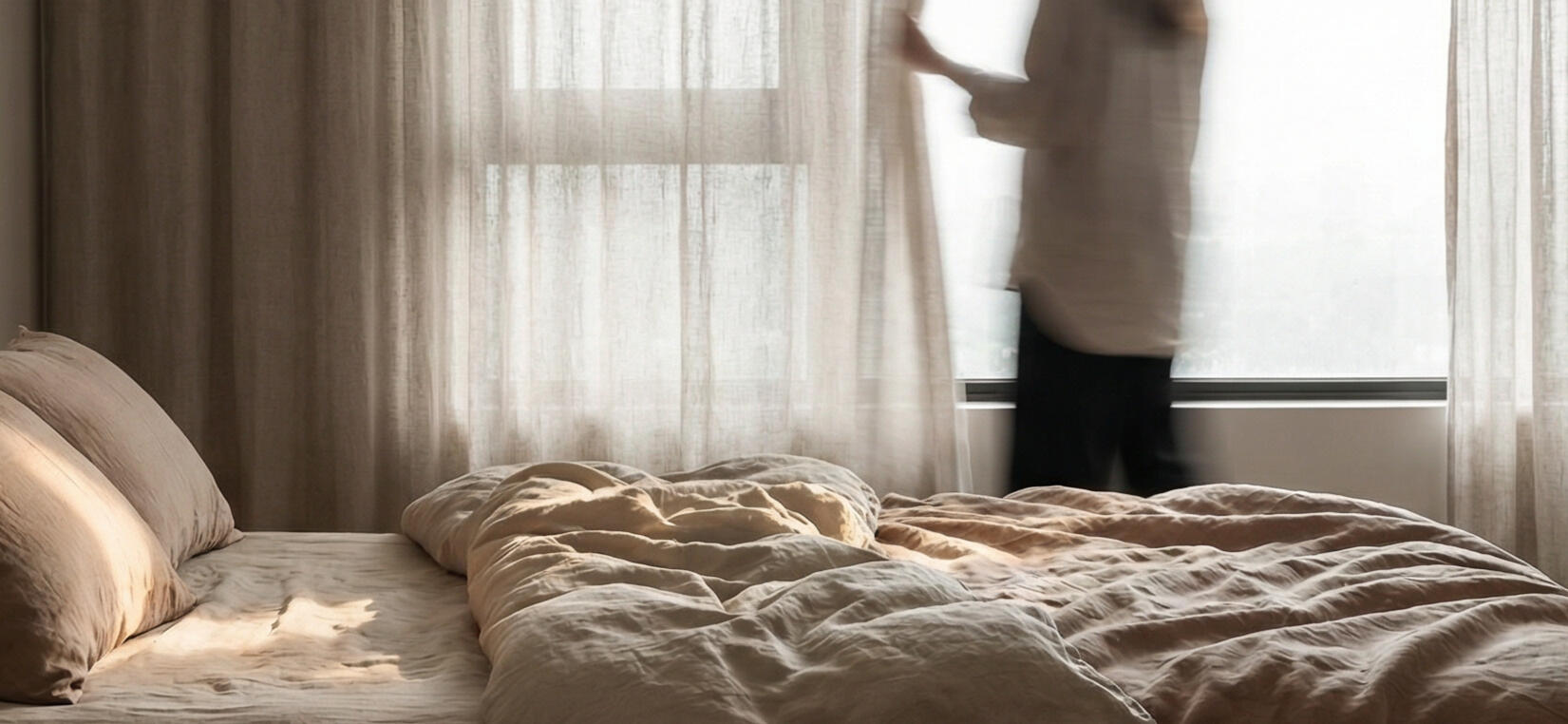
Let light in early
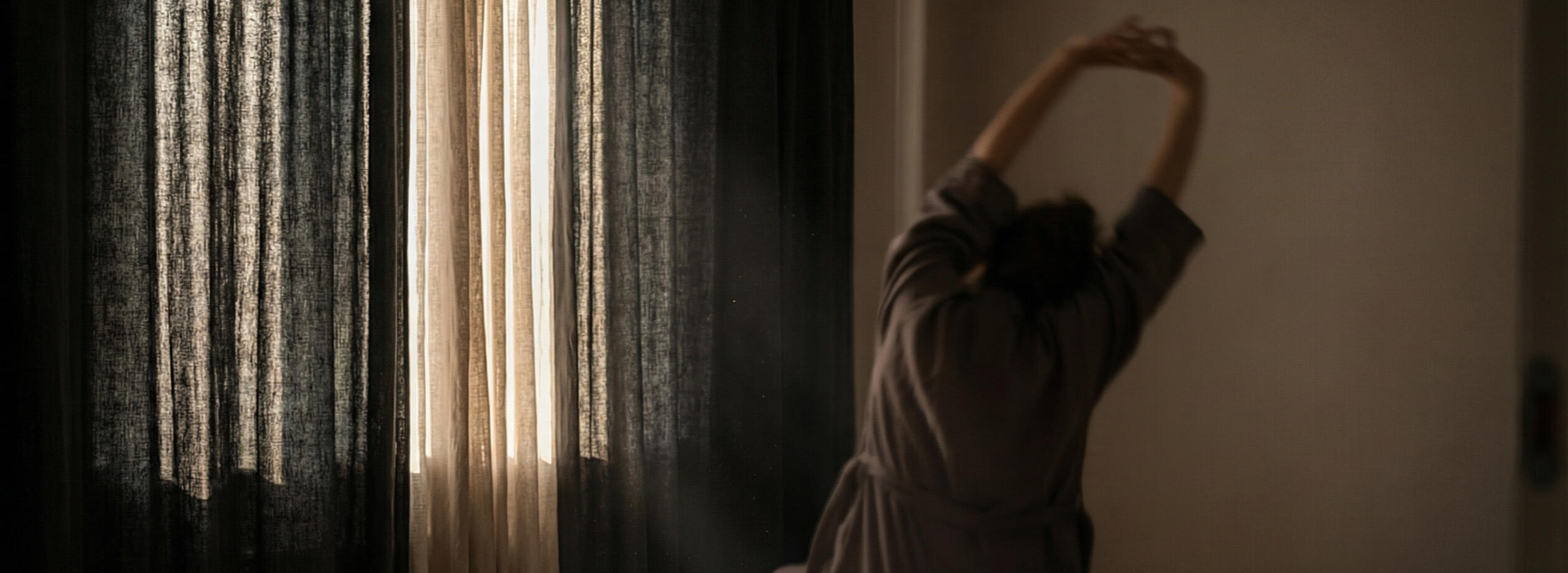
Morning light is one of the clearest signals your body uses to orient itself to the day. Opening curtains soon after waking, stepping outside briefly, or sitting near a bright window can help establish a clearer day–night contrast.
Avoid the immediate phone check
Checking messages or news immediately after waking can spike alertness and stress. Giving yourself a few minutes before engaging with screens allows the nervous system to transition more gradually into the day.

Wake at a similar time
Consistency matters more than perfection. Waking at roughly the same time each day, including weekends when possible, helps reinforce internal timing and often makes mornings feel less abrupt.
Move gently first
You don’t need intense exercise first thing. Light movement such as stretching, walking, or simply standing and moving around helps ease the body out of rest without overstimulation.
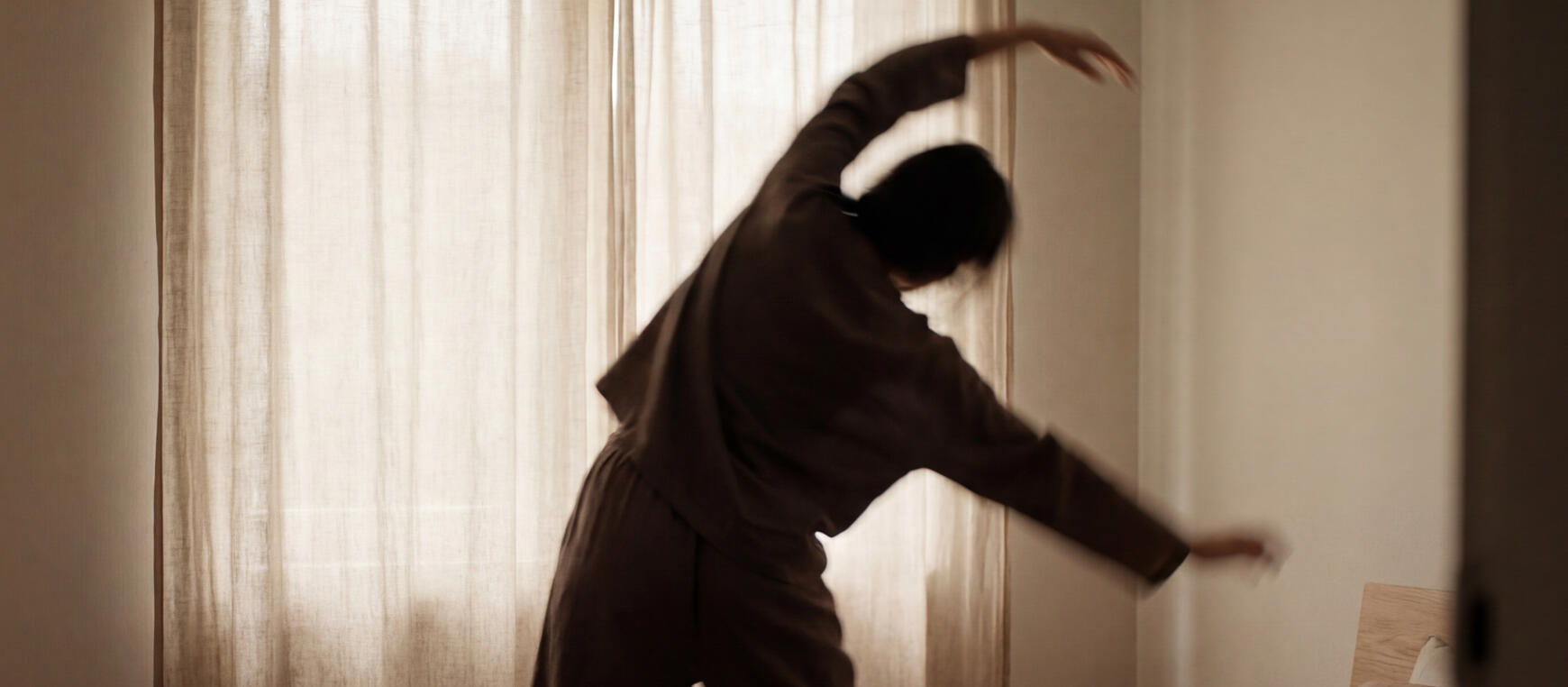
Delay caffeine slightly
Some people find that waiting a short time before their first coffee allows natural morning alertness to emerge. This isn’t about restriction, but about noticing how timing affects the rest of the day.
Eat when you’re ready
Regular meal timing supports daily rhythm, but mornings don’t need to be rushed. Eating when hunger appears, rather than immediately upon waking, can feel more supportive for some people.

Set one calm anchor
A simple, repeatable morning cue, such as opening a window, making a warm drink, or a short moment of quiet, helps signal the start of the day without urgency.

Keep mornings uncomplicated
Just as evenings benefit from softness, mornings often feel better with fewer decisions. Small routines repeated most days tend to support steadier energy.

More readings


Quick Wins - Staying Asleep

Protect darkness through the night
Light exposure in the early hours of the morning can interrupt rest, even if it doesn’t fully wake you. Using blackout curtains, covering small indicator lights, and keeping the bedroom as dark as possible helps reduce unnecessary stimulation once you’re asleep.
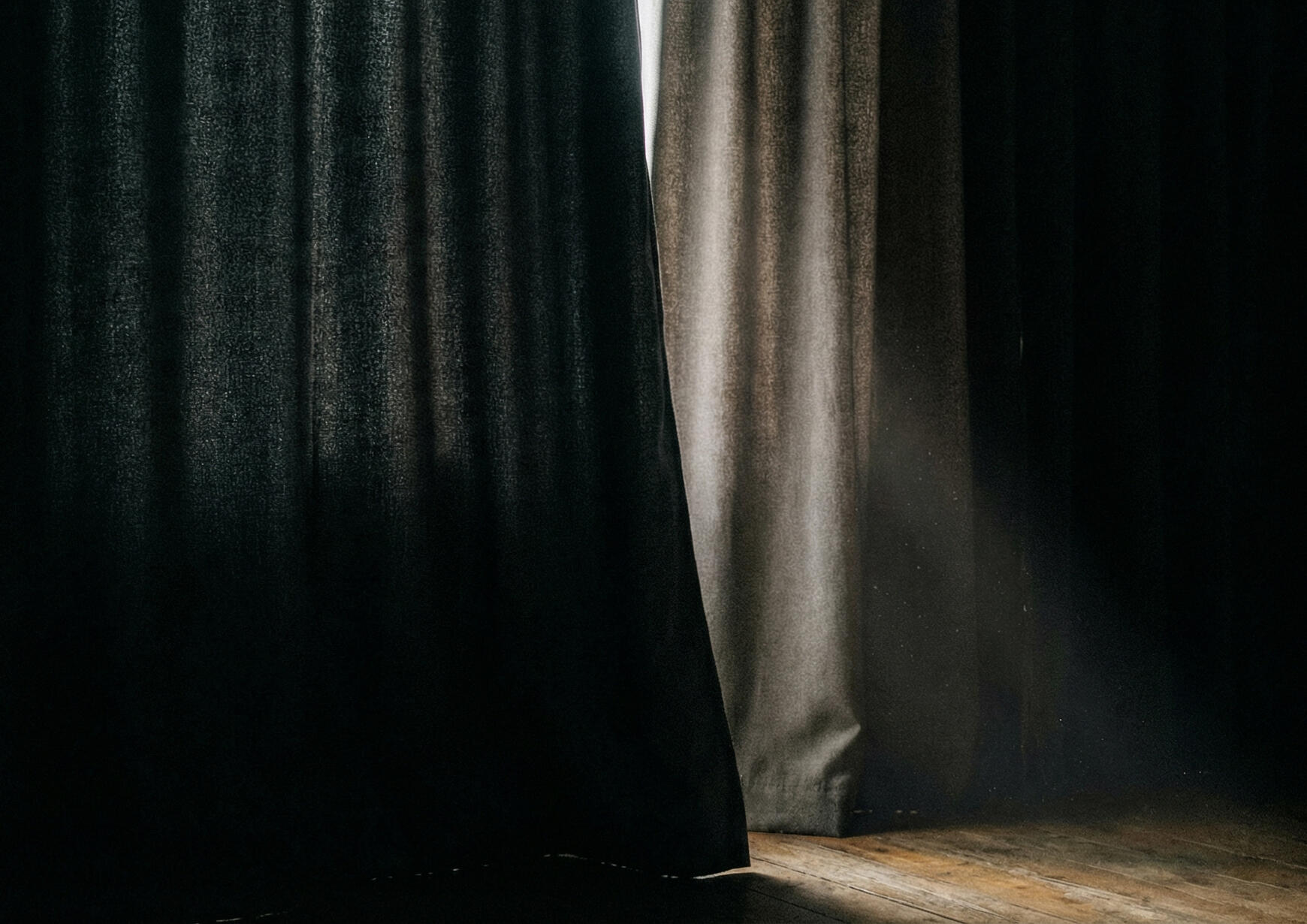
Keep night-time light minimal
If you need to get up during the night, try to avoid bright overhead lighting. Many people prefer very dim, long-wavelength light, such as red or amber tones, which provide visibility without strongly stimulating alertness.
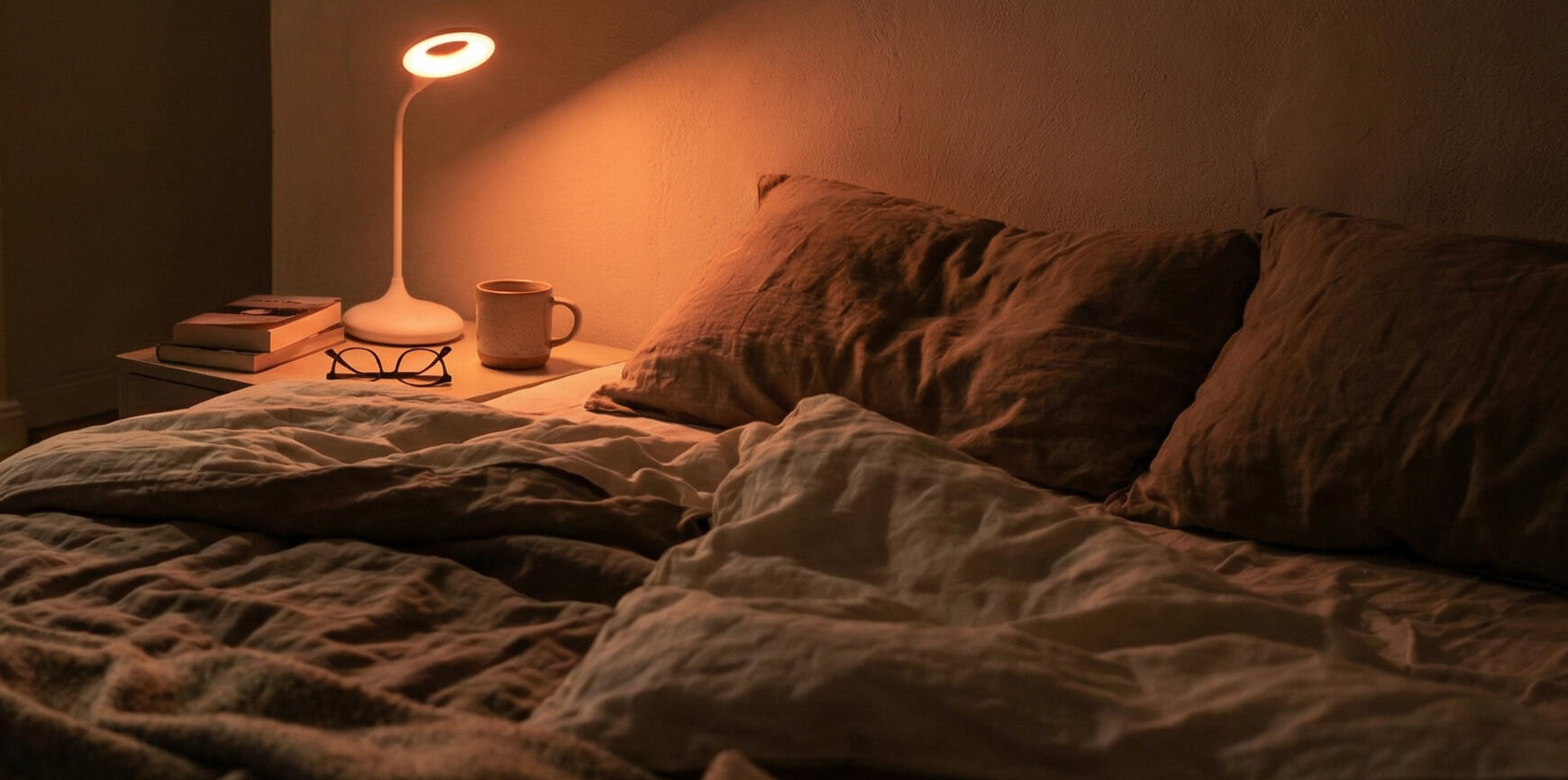
Soften unpredictable noise
Sudden or irregular sounds are more disruptive than steady background noise. Using soft furnishings, closing doors, or adding gentle, consistent background sound can help reduce sleep interruptions caused by traffic, voices, or household noise.

Keep the room slightly cooler
A bedroom that is cooler than daytime spaces is often associated with greater comfort through the night. Small adjustments, such as lighter bedding or better airflow, can help reduce wake-ups linked to overheating.
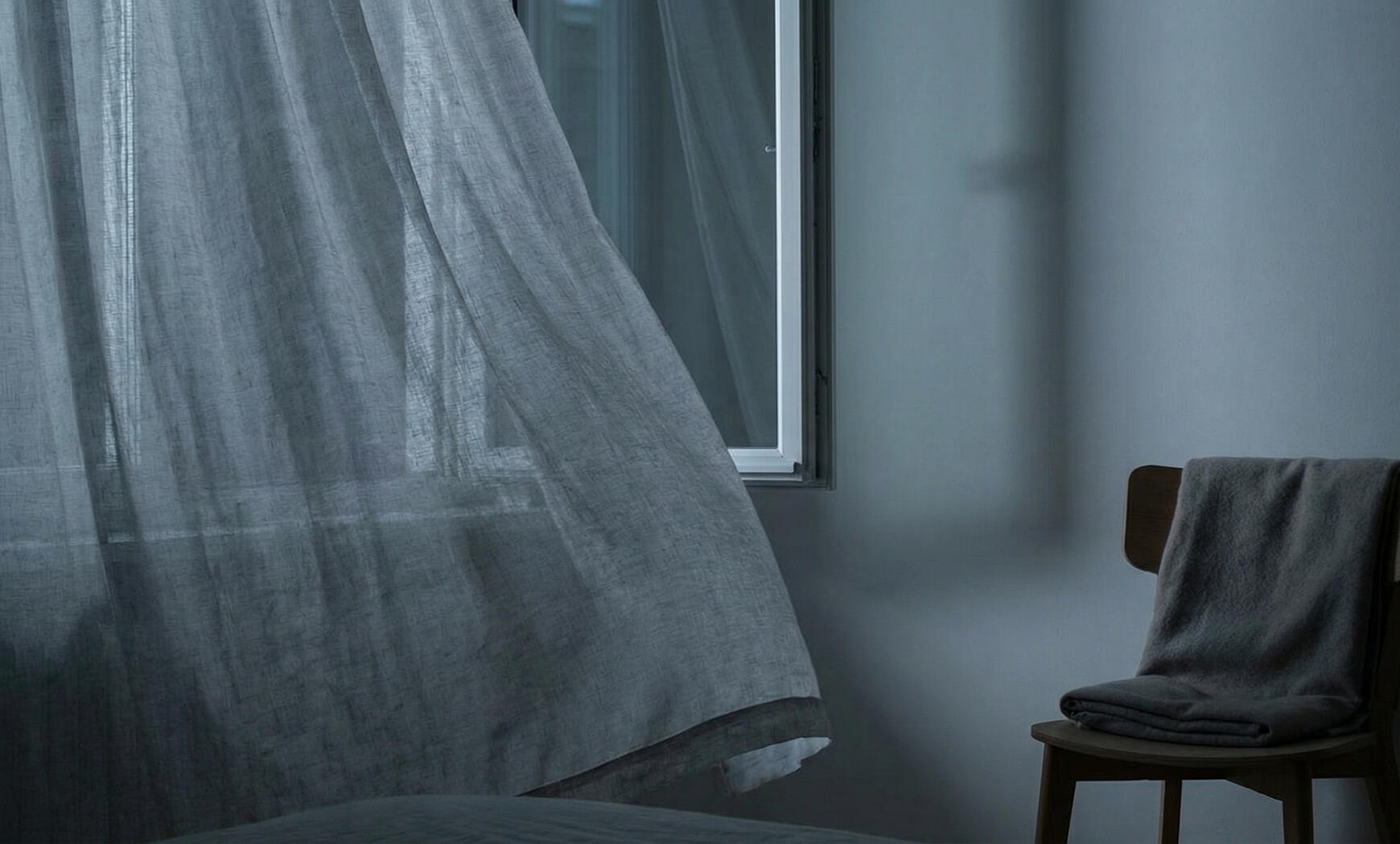
Avoid heavy intake late at night
Large meals or alcohol close to bedtime can increase night-time awakenings for some people. Allowing time for digestion before bed may help reduce discomfort or restlessness later in the night.
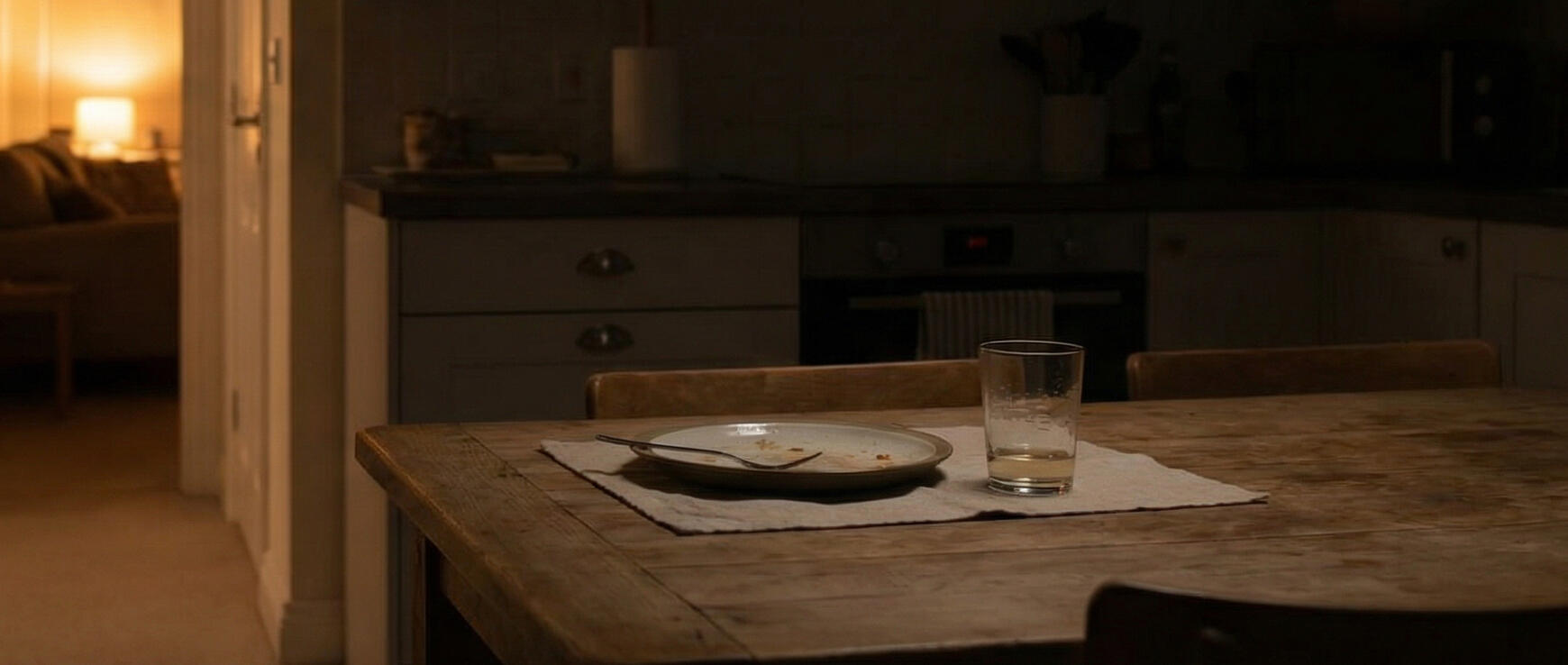
Keep awakenings low-key
Waking briefly during the night is normal. If it happens, keeping movements slow, lights low, and stimulation minimal can make it easier to settle again without fully re-engaging alertness.
Aim for consistency
Staying asleep is often supported by regular patterns. Similar bedtimes, stable bedroom conditions, and familiar routines help the body anticipate night-time rest.

More readings


Quick Wins - Falling Asleep
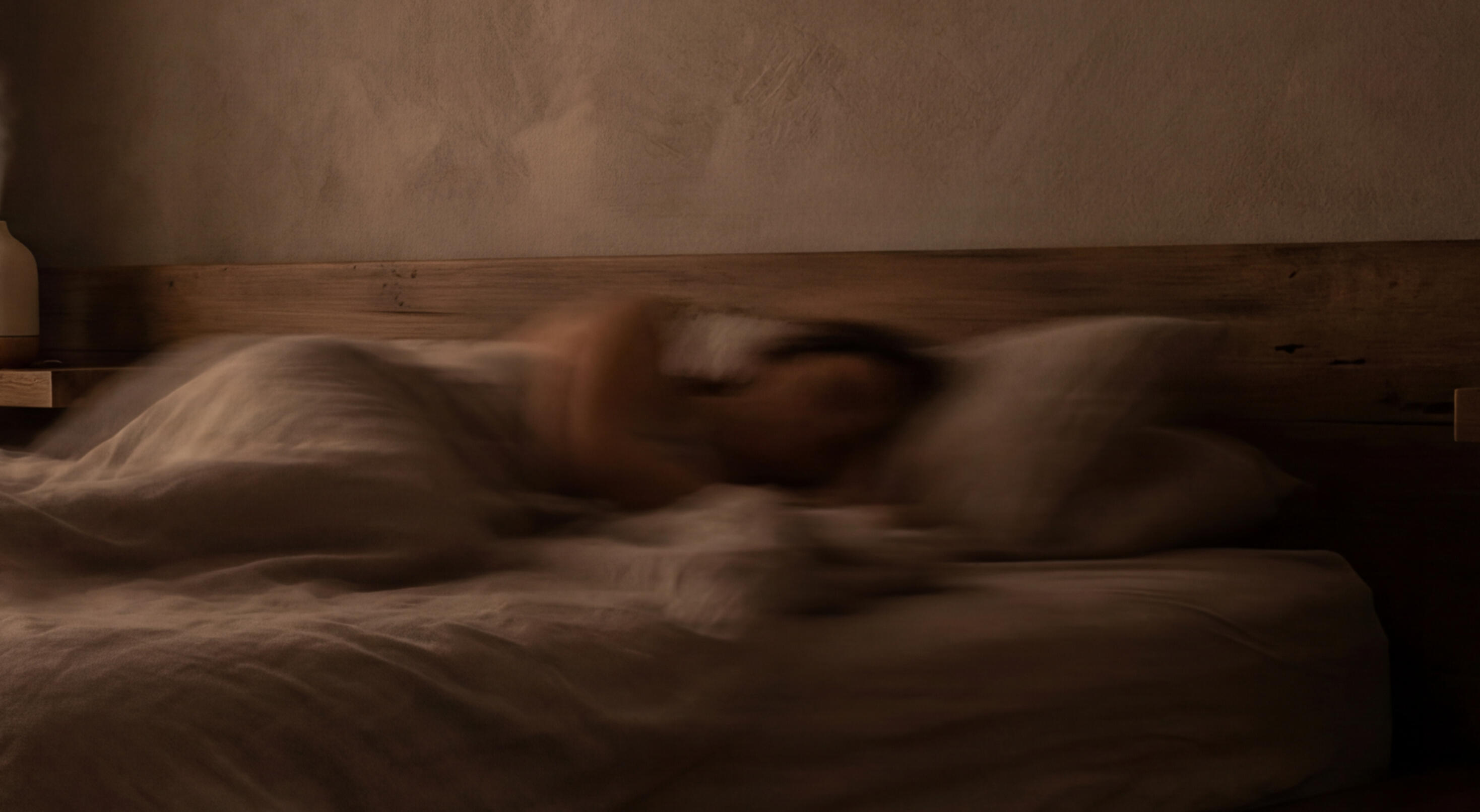
Get outside early
Morning light helps orient the body to the day. A short walk outdoors, standing on a balcony, or sitting near a bright window soon after waking can help create a clearer contrast between day and night. Bright days make softer evenings more effective.

Dim earlier, not suddenly
Rather than waiting until bedtime to turn lights off, begin lowering light levels earlier in the evening. Switching off overhead lighting and relying on smaller, warmer lamps helps the environment soften gradually, which many people find easier than an abrupt change.
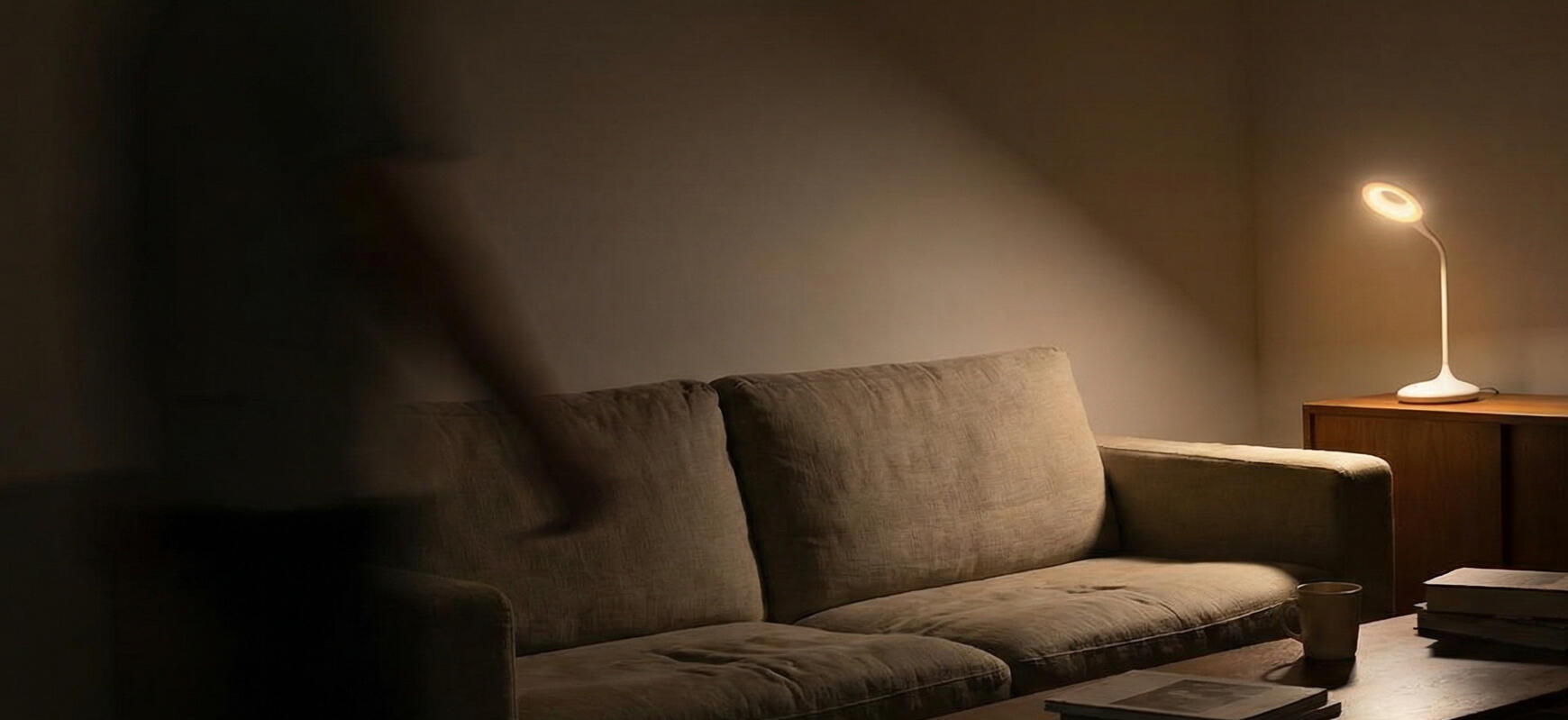
Use evening-appropriate light
When light is needed after sunset, some people choose blue-free or long-wavelength lamps designed for evening environments. These don’t induce sleep or replace routines, but they can help maintain a lower-stimulation setting during wind-down hours.
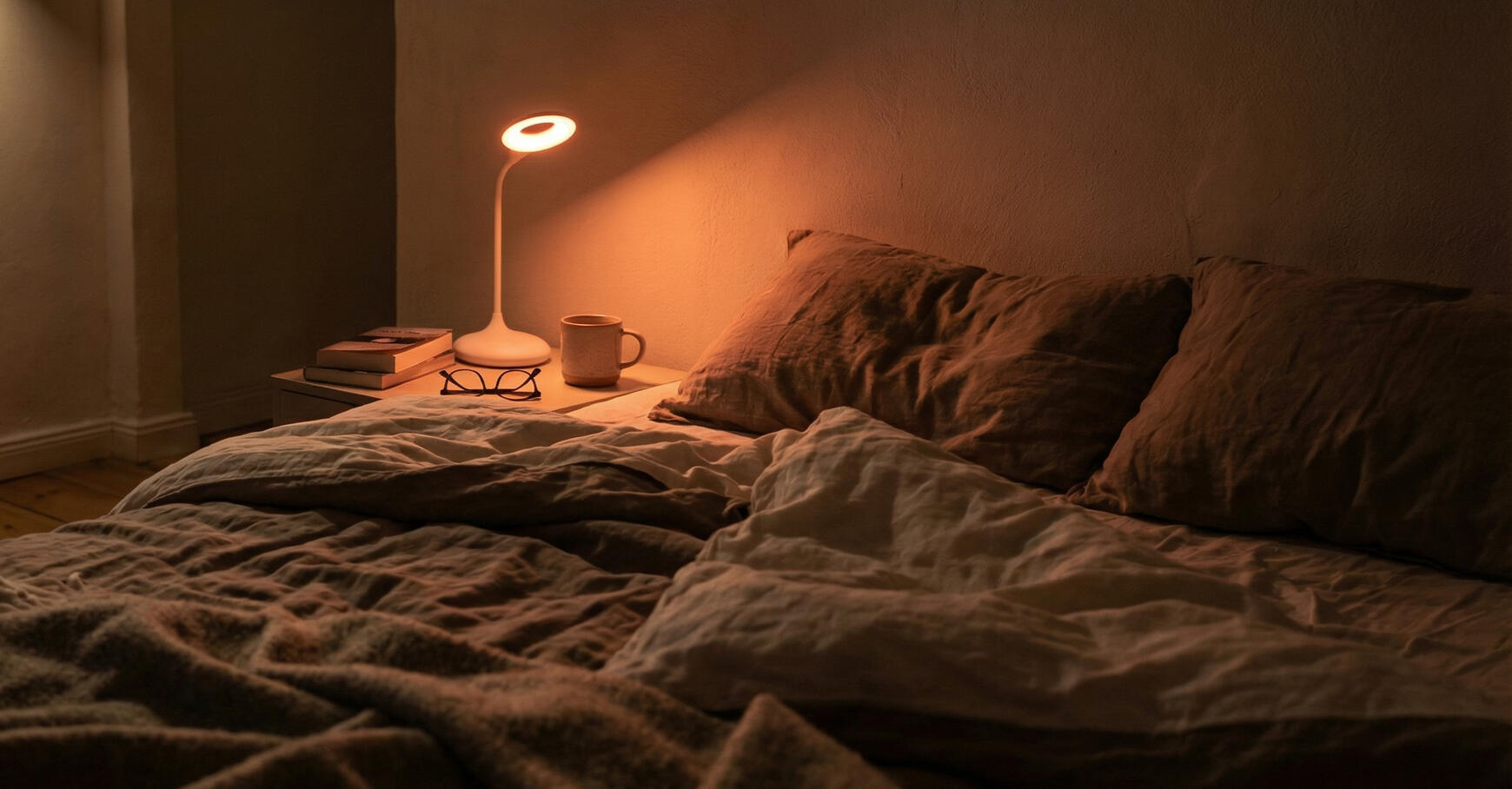
Choose one repeatable cue
Evening routines work best when they’re simple. Pick one consistent signal that marks the end of the day, such as changing the lighting, making a warm drink, or closing your laptop. Repetition matters more than variety.

Move earlier, settle later
Daytime movement supports night-time rest, but timing helps. Gentle activity earlier in the day or afternoon often feels more supportive than intense exercise late at night. Even short, regular movement counts.

Let the day close
Daytime movement supports night-time rest, but timing helps. Gentle activity earlier in the day or afternoon often feels more supportive than intense exercise late at night. Even short, regular movement counts.

Aim for consistency
You don’t need to do everything perfectly. A few small actions repeated most days tend to support rhythm better than occasional, intensive efforts. The body responds to patterns.
More readings


Sleep in a Screen-Filled World
Screens as Modern Environment
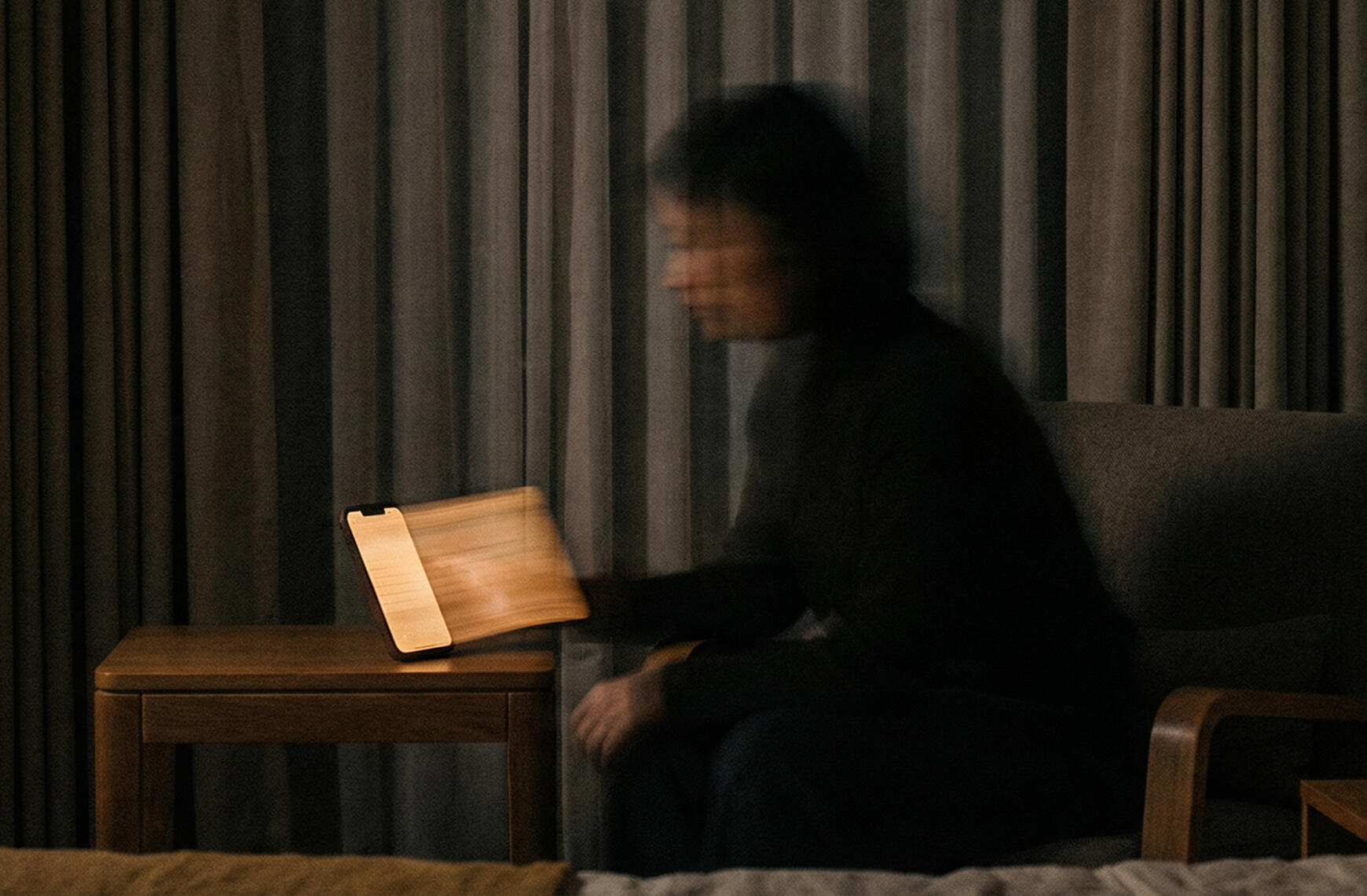
Screens have quietly reshaped the evening. They are no longer discrete activities but part of the background of modern life. Phones, laptops, and televisions accompany work, connection, navigation, and rest. Research shows that this constant presence changes how evenings feel long before bedtime arrives.Sleep disruption related to screens is often framed narrowly as a light problem. While light matters, studies suggest that screens affect sleep through multiple overlapping pathways. These include visual stimulation, cognitive engagement, emotional activation, and changes in evening routine. Treating screens as a single variable oversimplifies their impact.From a circadian perspective, screens emit light that can influence biological timing, particularly when exposure occurs late in the evening. Short-wavelength, blue-enriched light has a stronger alerting effect than longer wavelengths. However, brightness, viewing distance, and duration all influence impact. A phone held close to the face in a dark room differs significantly from a television across the room.Equally important is what screens contain. Research on arousal shows that emotionally engaging or unpredictable content sustains alertness independent of light exposure. Messages, news, work tasks, and social media activate attentional systems designed to keep the brain responsive. This can make it harder for the nervous system to downshift, even after the screen is turned off.Screens also blur transitions. When work, social connection, and rest all occur on the same device, the body receives fewer cues that the day is ending. Over time, this reduces the contrast between day and night that supports sleep quality.Understanding screens as part of the evening environment rather than a single disruptor opens more practical, realistic ways to work with them.

Light, Timing, and Visual Load
Research consistently shows that timing matters more than total exposure when it comes to screen light and sleep. Exposure earlier in the evening has a different effect than exposure in the final hour before bed. This helps explain why blanket advice to avoid screens altogether is often impractical and ineffective.Blue-enriched light increases alertness and delays circadian night. This effect is strongest when exposure occurs close to sleep, in dark surroundings, and at close viewing distances. Studies show that even moderate light levels can suppress melatonin when background lighting is low.However, screens are not uniformly disruptive. Their impact depends on context. Using a screen in a well-lit room earlier in the evening may have little effect, while scrolling in darkness late at night may be far more stimulating.This is where light hierarchy becomes useful. Reducing overall brightness, increasing ambient lighting earlier in the evening, and avoiding high-contrast viewing late at night all help reduce circadian stimulation. Some people also choose blue-reduced or night-mode settings, which research suggests lower melanopic impact compared to standard displays. These settings do not remove all circadian influence, but they reduce intensity.Where possible, shifting away from screens in the final wind-down period helps reinforce night-time cues. When screens are needed, increasing viewing distance, lowering brightness, and avoiding use in complete darkness reduce visual load.The goal is not elimination, but intentional timing and reduced contrast.
Quieting the Mind
Screens influence sleep not only through light, but through attention. Research on sleep and stress shows that cognitive engagement close to bedtime increases arousal, making sleep lighter and more fragmented. This effect persists even when content is not overtly stressful.Work emails, social updates, and news create a sense of unfinished business. Even passive consumption can trigger mental rehearsal, anticipation, or emotional response. Studies suggest that this sustained engagement keeps the brain in a monitoring state, which interferes with the transition into sleep.Practical strategies focus on containment rather than avoidance. Setting clear boundaries around certain types of screen use, such as ending work-related activity earlier in the evening, helps reduce cognitive carryover. Writing down tasks or messages to revisit later externalises load, signalling that nothing needs to be held overnight.Content choice matters. Familiar, predictable material tends to be less stimulating than novel or emotionally charged content. This does not mean screens must disappear, but that they can be used differently as the evening progresses.Screens also tend to replace low-stimulation activities that once filled evenings. Reintroducing quiet, analogue moments, even briefly, helps rebalance sensory input. This may be as simple as dimming lights, changing posture, or stepping away from the device before bed.Reducing cognitive engagement is less about discipline and more about creating space for the nervous system to settle.
Screen-Aware Evenings
Living in a screen-filled world does not require sleeping poorly. Research suggests that small, consistent adjustments across the evening often matter more than strict rules.One approach is creating a clear visual shift as night approaches. Lowering light levels, using warmer tones, and reducing screen brightness helps signal transition. When light is needed late at night, long-wavelength or blue-reduced lighting produces less circadian stimulation than cool white light. Blue-free light does not induce sleep, but it helps avoid unnecessary alerting signals during wind-down or night-time awakenings.Routine also matters. Repeating the same sequence each evening, even if screens are involved earlier, helps the body anticipate rest. This may include a consistent time when screens are put aside, lights are dimmed, or attention narrows.Importantly, flexibility supports sustainability. Perfectionism around screens often increases stress, which itself worsens sleep. Viewing screen use as something to shape rather than eliminate reduces pressure.Sleep in a screen-filled world improves when evenings regain contrast, not when technology disappears.
Further Reading and Sources
Chang, A. M. et al. (2015). Evening use of light-emitting eReaders negatively affects sleep. Proceedings of the National Academy of Sciences.
https://www.pnas.org/doi/10.1073/pnas.1418490112Cajochen, C. et al. (2005). High sensitivity of human melatonin and alertness to short-wavelength light. Journal of Clinical Endocrinology & Metabolism.
https://academic.oup.com/jcem/article/90/3/1311/2836732Gooley, J. J. et al. (2011). Exposure to room light before bedtime suppresses melatonin onset. Journal of Clinical Endocrinology & Metabolism.
https://academic.oup.com/jcem/article/96/3/E463/2833673Hale, L., & Guan, S. (2015). Screen time and sleep among school-aged children and adolescents. Sleep Medicine Reviews.
https://www.sciencedirect.com/science/article/pii/S1087079214000714Sleep Foundation. Screen Time and Sleep.
https://www.sleepfoundation.org/how-sleep-works/screen-time-and-sleepv
More readings


When Sleep Is Light by Nature
Understanding Light Sleep
Some people have always slept lightly. They wake to small sounds, notice changes in temperature, or become alert quickly after brief awakenings. Research suggests that this pattern often reflects individual differences in arousal and sensory processing, rather than a sleep problem that needs correcting.Studies using EEG and actigraphy show that light sleepers tend to spend a greater proportion of the night in lighter sleep stages, with more frequent micro-arousals. These brief shifts do not always reach full wakefulness, but they can influence how restorative sleep feels. Importantly, this pattern appears stable across time, indicating a trait rather than a temporary state.Genetics likely play a role. Variations in how the nervous system responds to stimuli, as well as differences in stress reactivity, are associated with lighter sleep. Age, hormonal changes, and life stage can further amplify sensitivity.What often makes light sleep feel problematic is not the sleep itself, but the expectation of uninterrupted rest. When the benchmark is deep, continuous sleep, natural variability can feel like failure. Research shows that worry about sleep increases arousal, which in turn makes sleep lighter. This feedback loop can be particularly strong for sensitive sleepers.Reframing light sleep as a valid pattern is the first step toward supporting it. The goal is not to force deeper sleep, but to reduce unnecessary disruption and help the body settle back more easily after normal awakenings.
Sensitivity to Environment
Light sleepers are often more responsive to environmental cues. Sound, light, and temperature shifts that barely register for others may trigger arousal. Research consistently shows that unpredictable stimuli are more disruptive than steady ones, particularly for individuals with higher sensory sensitivity.Light exposure is a common trigger. Even low levels of light during the night can increase alertness in sensitive sleepers. Short-wavelength, blue-enriched light has a stronger alerting effect, as it directly engages circadian pathways. This helps explain why screens, bright overhead lights, or early-morning light can feel especially disruptive.Reducing environmental load is therefore a practical priority. This does not require creating a perfectly silent or dark space, but lowering contrast and unpredictability. Blackout curtains, eye masks, and covering small light sources help limit visual stimulation. Where light is needed, using low-intensity, warm or blue-reduced light produces less circadian activation. Blue-free light does not induce sleep, but it can reduce unnecessary alerting signals during night-time awakenings.Sound management follows similar principles. Consistent background sound may help mask sudden noises. Temperature comfort also matters. Research suggests that cooler environments support sleep continuity, and light sleepers may benefit from more precise thermal control through bedding layers rather than room-wide changes.For light sleepers, environment often matters more than duration. Protecting sleep from unnecessary input helps preserve continuity even when awakenings occur.
A Calmer Nervous System at Night
Light sleep is closely tied to how quickly the nervous system moves between states. Research on arousal regulation suggests that sensitive sleepers transition more rapidly from sleep to alertness. This means that what happens immediately after waking can determine whether sleep resumes or ends.Practical strategies focus on keeping post-awakening stimulation low. Bright light, conversation, or problem-solving increase alertness and make returning to sleep harder. Minimising movement, keeping lights dim, and avoiding screens helps prevent full activation.Evening habits also influence night-time reactivity. High cognitive load close to bedtime sustains alertness into the night. Simple practices that mark the end of the day, such as writing down tasks or closing work spaces, help reduce background vigilance.Gentle routines are often more effective than techniques aimed at inducing sleep. Research suggests that predictability lowers arousal over time. Repeating the same wind-down sequence, even if it is brief, helps the nervous system anticipate rest.During the day, light exposure and regular rhythms support sleep stability. Bright daytime light strengthens circadian signals, which can make night-time sleep more resilient. This does not deepen sleep directly, but it helps reduce sensitivity to disruption.Light sleepers often benefit from lowering expectations and increasing kindness toward their own patterns. The aim is not fewer awakenings, but easier resettling.
Supporting Recovery Over Time
Light sleep does not mean poor recovery. Research shows that the body adapts to its own patterns, often compensating across nights. A lighter night may be followed by deeper sleep later, particularly when overall routines are supportive.Focusing on long-term patterns rather than individual nights reduces pressure. Monitoring sleep too closely can increase arousal, especially in sensitive sleepers. Viewing sleep as cumulative helps break this cycle.Daytime rest matters as well. Quiet moments, low-stimulation activities, and brief pauses contribute to recovery even when night-time sleep is lighter. These periods reduce baseline arousal and make subsequent sleep more accessible.Light sleepers often do best when they stop trying to sleep “like others” and instead design environments and routines that match their sensitivity. Lower stimulation, gentler transitions, and predictable cues work with the nervous system rather than against it.Sleep that is light by nature can still be restorative. Supporting it is about reducing friction, not changing identity.

Further Reading and Sources
Bonnet, M. H., & Arand, D. L. (2003). Hyperarousal and insomnia. Sleep Medicine Reviews.
https://www.sciencedirect.com/science/article/pii/S1087079202000552Roth, T. (2007). Insomnia: definition, prevalence, etiology, and consequences. Journal of Clinical Sleep Medicine.
https://jcsm.aasm.org/doi/10.5664/jcsm.26929Cajochen, C. et al. (2005). High sensitivity of human melatonin and alertness to short-wavelength light. Journal of Clinical Endocrinology & Metabolism.
https://academic.oup.com/jcem/article/90/3/1311/2836732Gooley, J. J. et al. (2011). Exposure to room light before bedtime suppresses melatonin onset. Journal of Clinical Endocrinology & Metabolism.
https://academic.oup.com/jcem/article/96/3/E463/2833673Sleep Foundation. Light Sleep.
https://www.sleepfoundation.org/how-sleep-works/light-sleep
More readings


Sleep Across Time Zones
When the Body Arrives Late
Crossing time zones places the body in a familiar but disorienting position. The clock says it is time to sleep, yet the body feels alert. Or the day begins before the body is ready to wake. This experience, commonly described as jet lag, reflects circadian misalignment rather than sleep loss alone.Circadian rhythm is governed by an internal clock that adjusts gradually in response to environmental cues, particularly light. Research shows that this clock typically shifts by about one hour per day, depending on the direction of travel and individual sensitivity. When travel outpaces this adjustment, sleep timing, alertness, digestion, and temperature regulation fall temporarily out of sync.Importantly, jet lag affects more than falling asleep. Studies show that deep sleep and REM sleep may be redistributed across the night during circadian realignment. This can make sleep feel lighter or more fragmented even when duration is adequate.Direction matters. Eastward travel generally requires advancing the circadian clock, which tends to be more difficult than delaying it after westward travel. This helps explain why early bedtimes after eastward flights often feel challenging.Understanding that the body clock moves on its own timeline helps set realistic expectations. The goal is not to force sleep to match local time immediately, but to support gradual realignment while protecting rest during the transition.

Using Light to Shift Timing
Light is the most powerful tool for adjusting circadian rhythm across time zones. Research shows that the timing of light exposure matters more than its intensity alone. Exposure at certain times advances the body clock, while exposure at others delays it.After eastward travel, morning light at the destination helps signal an earlier day. After westward travel, evening light supports later timing. This principle underlies most evidence-based jet lag strategies.However, not all light has the same effect. Short-wavelength, blue-enriched light produces stronger circadian responses than longer wavelengths. Studies show that blue-enriched light increases alertness and suppresses melatonin more effectively, which can be useful when alertness is needed at specific times.At the same time, excessive exposure to blue-enriched light at the wrong time can delay adaptation. For example, bright evening light after eastward travel may reinforce the old time zone rather than the new one.This is where reduced or blue-free light can play a role. Research comparing light spectra suggests that long-wavelength light produces less circadian stimulation. Using lower-intensity, blue-reduced lighting in the evening may help avoid reinforcing alertness when the goal is to support earlier sleep.The practical takeaway is timing, not avoidance. Use brighter, blue-enriched light to promote wakefulness when shifting the clock forward or backward. Reduce intensity and shift toward warmer or blue-free light when preparing for sleep in the new time zone.
Sleeping Well During Adjustment
During the adjustment period, sleep may come in uneven or shorter blocks. Research suggests that this is a normal part of circadian realignment rather than a failure of sleep ability.Practical strategies focus on protecting sleep opportunity. Keeping the sleep environment dark, quiet, and cool reduces unnecessary arousal. Eye masks and blackout curtains are especially useful in unfamiliar rooms where external light cues differ from home.Napping can be helpful when used strategically. Short naps earlier in the day may reduce sleep pressure without interfering with night-time sleep. Longer or late naps may delay adaptation, particularly after eastward travel.Meal timing also acts as a circadian cue. While evidence is less robust than for light, consistent meal timing aligned with the destination may help reinforce local rhythms. Hydration supports general comfort, though it does not directly adjust circadian timing.Alcohol and caffeine deserve attention. Alcohol fragments sleep and reduces deep sleep, particularly when the body is already adjusting. Caffeine can support daytime alertness, but timing matters to avoid extending wakefulness into the local night.The aim during adjustment is not perfect sleep, but adequate rest while the body clock recalibrates.
Recovery Over the First Few Days
Most research suggests that circadian adjustment takes several days, depending on the number of time zones crossed. During this period, variability is expected. Some nights may feel deeper than others.Supporting recovery involves consistency. Aligning wake times to the destination, seeking light at appropriate times, and maintaining a predictable evening wind-down help reinforce new timing.Reducing evening stimulation supports sleep onset. Dimming lights, limiting screen use, and choosing warmer or blue-reduced lighting reduce alerting signals. Blue-free light does not shift the clock, but it helps avoid unnecessary activation during the biological night.Physical activity during the day supports sleep drive, but intense exercise late in the evening may sustain alertness.Perhaps most importantly, perspective matters. Jet lag is temporary. Viewing sleep quality over several days rather than individual nights reduces stress, which itself can worsen sleep.Sleep across time zones improves not through force, but through consistent cues and patience.

Further Reading and Sources
Further readingWaterhouse, J. et al. (2007). Jet lag: trends and coping strategies. The Lancet.
https://www.sciencedirect.com/science/article/pii/S0140673607606894Arendt, J. (2009). Managing jet lag. BMJ.
https://www.bmj.com/content/339/bmj.b5054Burgess, H. J., & Eastman, C. I. (2005). Human circadian rhythms and jet lag. Sleep Medicine Clinics.
https://www.sciencedirect.com/science/article/pii/S1556407X05000068Cajochen, C. et al. (2005). High sensitivity of human melatonin and alertness to short-wavelength light. Journal of Clinical Endocrinology & Metabolism.
https://academic.oup.com/jcem/article/90/3/1311/2836732Sleep Foundation. Jet Lag.
https://www.sleepfoundation.org/how-sleep-works/jet-lag
More readings


Sleep in Shared Spaces

When Sleep Is No Longer Individual
Sleeping beside another person changes the nature of rest. Whether sharing a bed, a room, or a home, sleep becomes a negotiated experience shaped by movement, sound, light, and routine. Research on co-sleeping adults shows that shared environments increase the likelihood of micro-arousals, brief awakenings that may not be remembered but still influence sleep quality.Importantly, these disruptions are not signs of incompatibility or poor sleep habits. Humans have slept in shared spaces for most of history. What has changed is the modern sleep environment. Artificial lighting, irregular schedules, digital devices, and climate-controlled rooms introduce variables that make shared sleep more complex than it once was.Differences in chronotype are a common source of tension. One person may naturally feel alert late into the night, while the other wakes early. Research shows that mismatched circadian preferences can increase sleep fragmentation for both partners, particularly when routines are rigid rather than flexible.Movement is another factor. Studies using actigraphy show that one person’s movement can trigger brief arousals in the other, even when neither fully wakes. These micro-disturbances accumulate across the night and may reduce time spent in deeper sleep stages.Recognising that shared sleep is inherently dynamic helps shift the goal. Rather than aiming for uninterrupted rest, the focus becomes reducing avoidable disruption and supporting recovery across the night.

Light, Sound, and Space
Light management becomes especially important in shared spaces. One person reading, working, or waking earlier can unintentionally signal “daytime” to the other. Research shows that even low levels of light during the night can increase alertness and reduce sleep continuity, particularly when exposure is repeated.Practical strategies focus on direction and spectrum rather than brightness alone. Using lower, indirect light reduces spread. Warmer or blue-reduced light produces less circadian stimulation than cool white light, making it more suitable when one person needs visibility while the other sleeps. Blue-free light does not induce sleep, but it reduces unnecessary alerting signals in shared environments.Sound operates similarly. Irregular noise is more disruptive than steady background sound. A partner’s breathing, movement, or phone notifications can trigger arousals because they are unpredictable. Research suggests that consistent background sound may help mask these disturbances, particularly in lighter sleepers.Temperature differences are another common issue. Shared thermal comfort is difficult, as sleep research shows individual preferences vary. Layered bedding and personal covers often work better than adjusting the entire room.The guiding principle is minimisation, not elimination. Shared spaces benefit from reducing the impact of necessary activity rather than trying to eliminate it altogether.

Night time Routines and Boundaries
Shared sleep environments work best when routines are explicit rather than assumed. Research on sleep partnerships highlights the importance of predictable patterns. When partners know what to expect, arousal decreases even if disruptions occur.This includes agreed-upon wind-down periods, light use, and device boundaries. For example, setting a shared expectation around dimming lights at a certain time or using screens away from the bed reduces friction and night-time alertness.Night-time awakenings are another negotiation point. One partner waking for work, caregiving, or bathroom use may inadvertently disrupt the other. Keeping movements slow, lights low, and interactions minimal helps preserve sleep continuity. Studies suggest that brief awakenings are less disruptive when sensory input remains low.Psychological safety also matters. Sleep is lighter when vigilance is high. Tension around sleep differences can increase arousal for both people. Framing shared sleep as a cooperative process rather than a performance reduces this pressure.Shared spaces benefit from flexibility. Occasional separate sleep arrangements, such as different bedtimes or temporary room separation during high-demand periods, are associated with improved sleep quality for some couples. These choices are not failures, but adaptive strategies.

Further Reading and Sources
Troxel, W. M. et al. (2007). Sleep quality in couples. Journal of Family Psychology.
https://psycnet.apa.org/record/2007-19058-004Doherty, R. et al. (2018). The impact of co-sleeping on adult sleep quality. Sleep Health.
https://www.sciencedirect.com/science/article/pii/S2352721818300116Cajochen, C. et al. (2005). High sensitivity of human melatonin and alertness to short-wavelength light. Journal of Clinical Endocrinology & Metabolism.
https://academic.oup.com/jcem/article/90/3/1311/2836732Gooley, J. J. et al. (2011). Exposure to room light before bedtime suppresses melatonin onset. Journal of Clinical Endocrinology & Metabolism.
https://academic.oup.com/jcem/article/96/3/E463/2833673Sleep Foundation. How Your Partner Affects Your Sleep.
https://www.sleepfoundation.org/how-sleep-works/how-your-partner-affects-your-sleep
More readings


Sleep After Stressful Days

Why Stress Lingers Into the Night
After a demanding day, sleep often feels harder to access, even when the body is tired. This is not simply a matter of overthinking. Research shows that stress activates physiological systems designed to maintain alertness, including the hypothalamic-pituitary-adrenal axis and the sympathetic nervous system. These systems are adaptive during the day, but they do not always disengage automatically when work ends.Elevated arousal changes how sleep unfolds. Studies associate higher stress levels with longer sleep onset, more frequent night-time awakenings, and lighter sleep overall. Deep sleep, which is most likely to occur when arousal is low, may be reduced or fragmented after stressful days, even if total sleep duration remains similar.Importantly, stress does not need to be emotional or dramatic to affect sleep. Cognitive load, decision fatigue, time pressure, and responsibility all increase baseline arousal. Many people experience this as a sense of being “tired but wired,” where the body seeks rest but the nervous system remains alert.This helps explain why sleep quality can vary significantly from one night to the next. Stress is cumulative, and its effects on sleep reflect both the intensity of the day and how the evening unfolds. A single demanding day may have little impact if followed by a calm transition, while repeated high-load days can gradually erode sleep depth.Understanding this relationship reframes the challenge. Sleep after stressful days is less about forcing relaxation and more about helping the body shift from activation to recovery. That transition is often environmental and behavioral, rather than cognitive.

Low-Stimulation Transition
One of the most effective ways to reduce stress before sleep is to lower stimulation gradually rather than abruptly. Research consistently shows that sudden transitions from high engagement to bed leave arousal systems active. A slower descent allows alertness to decline naturally.Light is a key factor in this process. Bright or blue-enriched light sustains alertness and delays circadian night. After stressful days, this effect can be amplified, as arousal is already elevated. Gradually dimming lights and shifting toward warmer tones reduces an additional source of stimulation.Where light is needed, especially during evening tasks, lower-intensity or blue-reduced lighting produces less circadian activation. Evidence suggests that long-wavelength light is less alerting than cool white light, making it more suitable for wind-down periods. This does not induce sleep, but it helps avoid reinforcing daytime signals.Sound and input also matter. Continuous exposure to news, messages, or emotionally charged content maintains cognitive engagement. Choosing quieter, familiar activities reduces the number of signals the nervous system must process.Movement can help if used early and gently. Light stretching, walking, or physical tasks earlier in the evening may support stress release, while intense activity late at night may sustain alertness.The goal of transition is not relaxation, but downshifting. Reducing inputs gives the body space to recalibrate.
Offload Stress Before Bed
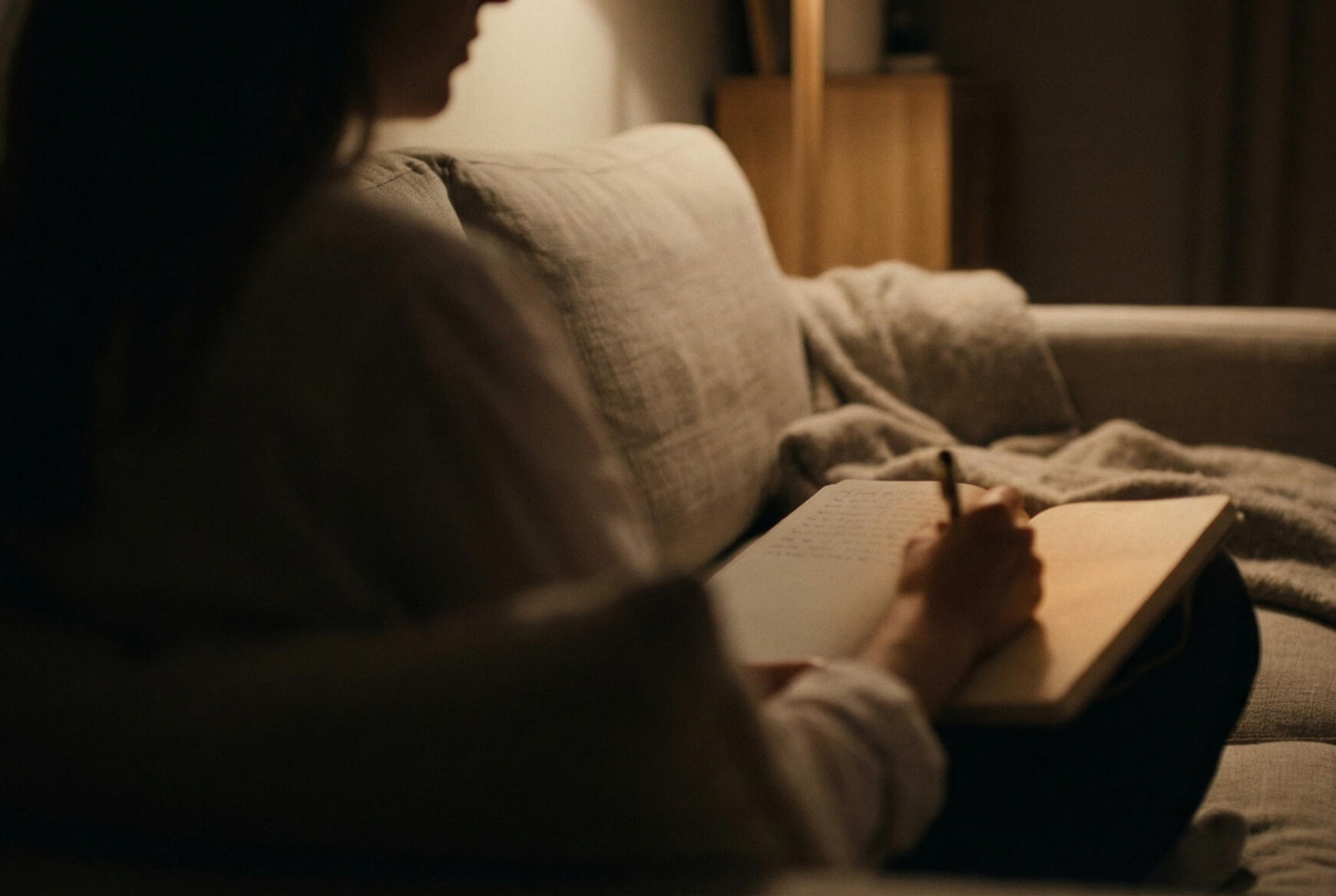
Stress disrupts sleep when it remains internally active. The nervous system does not distinguish between a problem that still needs solving and one that has simply not been set down. Offloading stress before bed is therefore less about relaxation and more about externalising load, so the brain no longer feels responsible for holding it.One of the most supported approaches in sleep research is cognitive offloading. Writing down unfinished tasks, concerns, or priorities for the next day reduces rumination by signalling that nothing is being forgotten. Studies show that even short, unsent lists can lower pre-sleep arousal and shorten the time it takes to fall asleep. The aim is containment rather than resolution. Night is not for problem-solving, but for putting problems somewhere safe.Physical cues help reinforce this transition. Stress often lingers because the body has not registered that effort has ended. Simple, repeatable actions such as changing clothes, washing the face, or moving into a different room create a clear boundary between demand and rest. These cues are especially useful after mentally demanding days, when internal signals of completion are less reliable.Environmental offloading is equally important. Reducing sensory input lowers the volume of information the nervous system must process. Dimming lights, particularly shifting away from bright or blue-enriched light, reduces alerting signals. Research suggests that dimmer, warmer or blue-free light produces less circadian stimulation in the evening. This does not induce sleep, but it helps prevent unnecessary activation during wind-down.Sound and content matter as well. Ongoing exposure to news, messages, or emotionally charged material sustains cognitive engagement. Choosing quieter, familiar, low-novelty input helps reduce vigilance. Silence is not required. Predictability is.Gentle physical release can support downshifting when used earlier in the evening. Light stretching or slow movement helps discharge residual tension without increasing alertness. More intense exercise late at night may have the opposite effect for some people.During night-time awakenings, stress can resurface quickly. Bright light, particularly blue-enriched light, increases alertness and can make returning to sleep harder. Using the lowest possible light level and choosing warm or blue-free light when visibility is needed helps limit reactivation.Effective stress offloading before bed is practical and repeatable. It does not aim to create calm on command. It simply allows what does not need to be carried into the night to be set down.
Allowing Rest to Return
After stressful days, sleep often needs time to re-stabilise. Research shows that deep sleep can rebound after periods of disruption, particularly when overall routines support recovery. One difficult night does not erase rest, just as one calm evening does not guarantee it.Supporting sleep over time means focusing on patterns rather than outcomes. Consistent wake times, regular daylight exposure, and predictable evenings help reduce baseline stress, even when individual days remain demanding.Importantly, rest does not only come from sleep. Quiet moments, reduced stimulation, and psychological closure contribute to recovery even when sleep is lighter. These moments lower arousal and make deeper sleep more accessible later.Allowing rest to return requires easing pressure. Monitoring sleep too closely or worrying about consequences increases alertness and undermines recovery. Viewing sleep as cumulative reduces this burden.Stressful days are part of life. Sleep does not need them to disappear. It needs space to follow them.

Further Reading and Sources
Morin, C. M. et al. (2003). Stress, arousal, and sleep disturbance. Psychiatric Clinics of North America.
https://www.sciencedirect.com/science/article/pii/S0193953X03000228Meerlo, P. et al. (2008). Restricted and disrupted sleep effects on stress systems. Sleep Medicine Reviews.
https://www.sciencedirect.com/science/article/pii/S1087079207000634Åkerstedt, T. et al. (2012). Psychosocial stress and impaired sleep. Scandinavian Journal of Work, Environment & Health.
https://www.jstor.org/stable/40967644Cajochen, C. et al. (2005). High sensitivity of human melatonin and alertness to short-wavelength light. Journal of Clinical Endocrinology & Metabolism.
https://academic.oup.com/jcem/article/90/3/1311/2836732Sleep Foundation. Stress and Sleep.
https://www.sleepfoundation.org/mental-health/stress-and-sleep
More readings


Sleep for New Parents
Broken Nights Are Normal
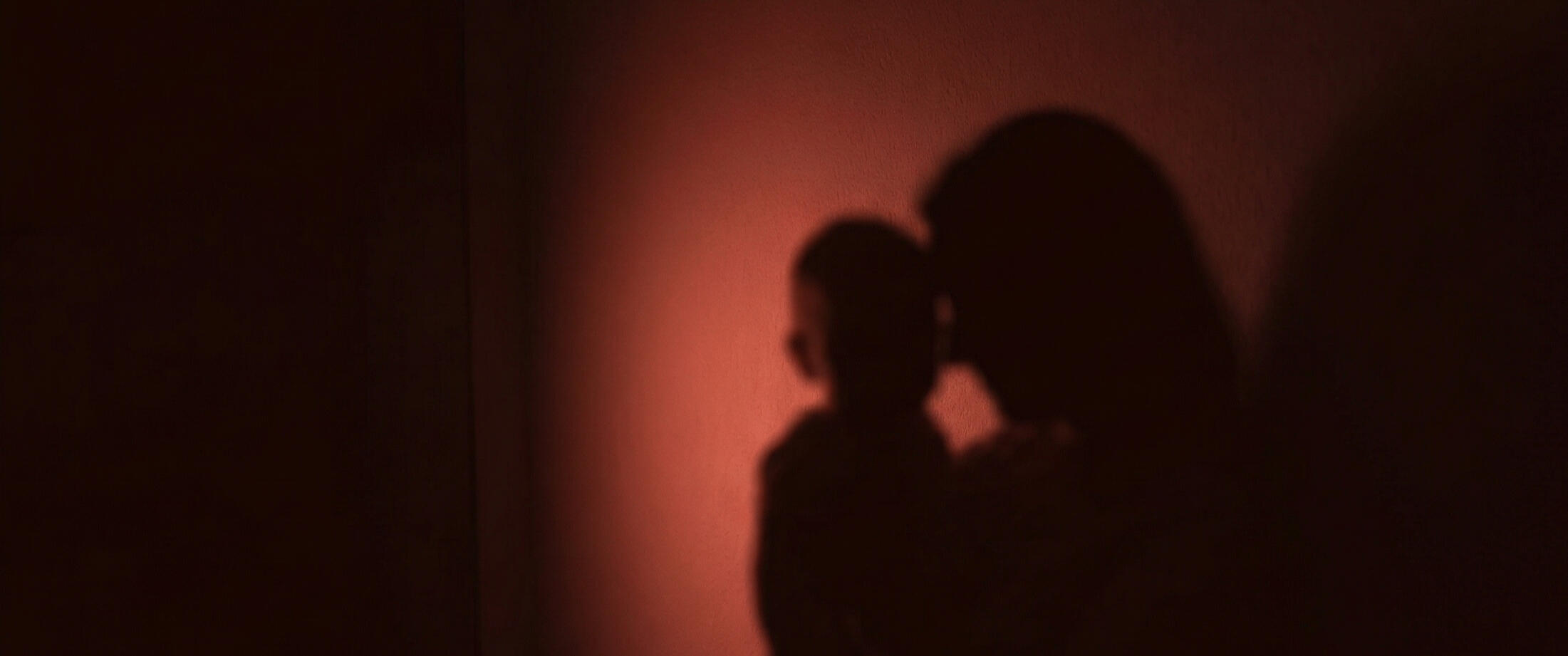
For new parents, sleep rarely fails because something is “wrong.” It fails because sleep is no longer continuous. Night feeds, checking on a baby, unpredictable wake times, and heightened vigilance fragment the night in ways that no routine can fully prevent.Research consistently shows that sleep disruption in early parenthood is expected, not pathological. Parents often experience shorter sleep cycles, more frequent awakenings, and lighter sleep overall. Importantly, this does not mean the body stops recovering. It means recovery happens differently.Many parents carry quiet anxiety about “doing sleep wrong,” especially when comparing themselves to pre-parent life or idealised advice. This pressure itself increases arousal and makes settling harder. Studies on sleep and stress show that concern about sleep quality can worsen sleep fragmentation, creating a loop that feels personal but is physiological.Accepting broken nights as part of the landscape matters. Sleep in this phase works best when the goal shifts from uninterrupted rest to supported rest. That might look like shorter blocks, more frequent settling, or recovery spread across the day.This reframing reduces one of the biggest hidden disruptors for parents: self-blame. When sleep is expected to be imperfect, the nervous system softens. And that softening makes it easier to rest when the opportunity arises.
Night Wakings Without Full Alertness
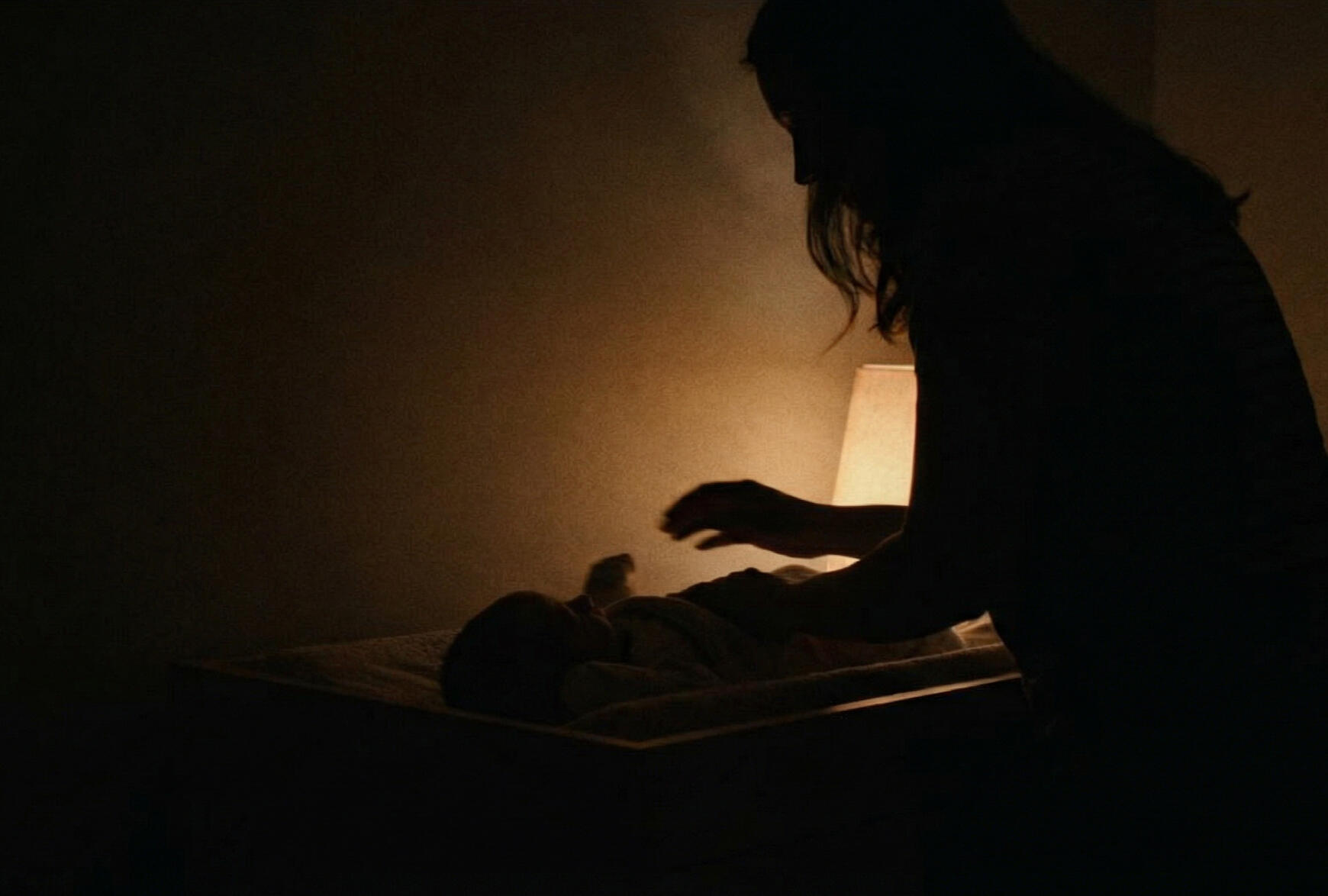
One of the most challenging aspects of parenting sleep is not waking, but staying awake once you do. Research suggests that light exposure during night wakings plays a significant role in how easily the body returns to sleep.Bright or blue-enriched light increases alertness and suppresses melatonin, particularly when exposure occurs during the biological night. This effect is amplified in parents, whose nervous systems are already tuned toward responsiveness.Practical adjustments focus on keeping night wakings low-stimulation. This means reducing light intensity, avoiding overhead lighting, and limiting visual contrast. Where light is necessary for feeding, changing, or moving safely, lower-intensity, warm or blue-free light produces less circadian stimulation. Blue-free light does not make you sleepy, but it helps avoid pushing the body toward full daytime alertness during brief awakenings.Many parents find it helpful to designate a specific, dimly lit zone for night care. Consistency matters. When the body repeatedly experiences the same low-stimulus conditions during night wakings, it learns that waking does not equal daytime.Screens deserve careful handling here as well. Checking messages or scrolling during feeds may feel grounding, but research shows that cognitive engagement and screen light both increase alertness. Even brief exposure can make resettling harder.The aim is not speed or efficiency, but containment. Night wakings that stay quiet, dim, and predictable are easier for both parent and child to recover from.

Predictable Night Time Rhythms
Predictability can matter more than perfection when it comes to nighttime routines. The body tends to respond well to repeated patterns, even when sleep itself is fragmented or inconsistent. A familiar sequence of cues, dim lighting, quieter surroundings, and fewer decisions can help signal that the night is meant for rest rather than activity.For many people, nights feel harder not because of how long they are awake, but because of uncertainty. Small choices made repeatedly at night can increase mental effort and alertness. Preparing the environment in advance such as setting lighting levels, organising essential items, or reducing unnecessary stimulation can lower this cognitive load and make nighttime interruptions feel less disruptive.Predictable rhythms also allow the nervous system to stay calmer during wake-ups. Keeping light levels low, movement gentle, and transitions brief can help preserve the sense of nighttime continuity. Over time, these repeated cues may help the body return to rest more easily after interruptions, even when sleep is not uninterrupted.Importantly, nighttime rhythms do not need to be rigid. They work best when they are adaptable, familiar, and realistic for the household. The goal is not to control sleep, but to create a stable nighttime environment that feels consistent and reassuring, regardless of how the night unfolds.
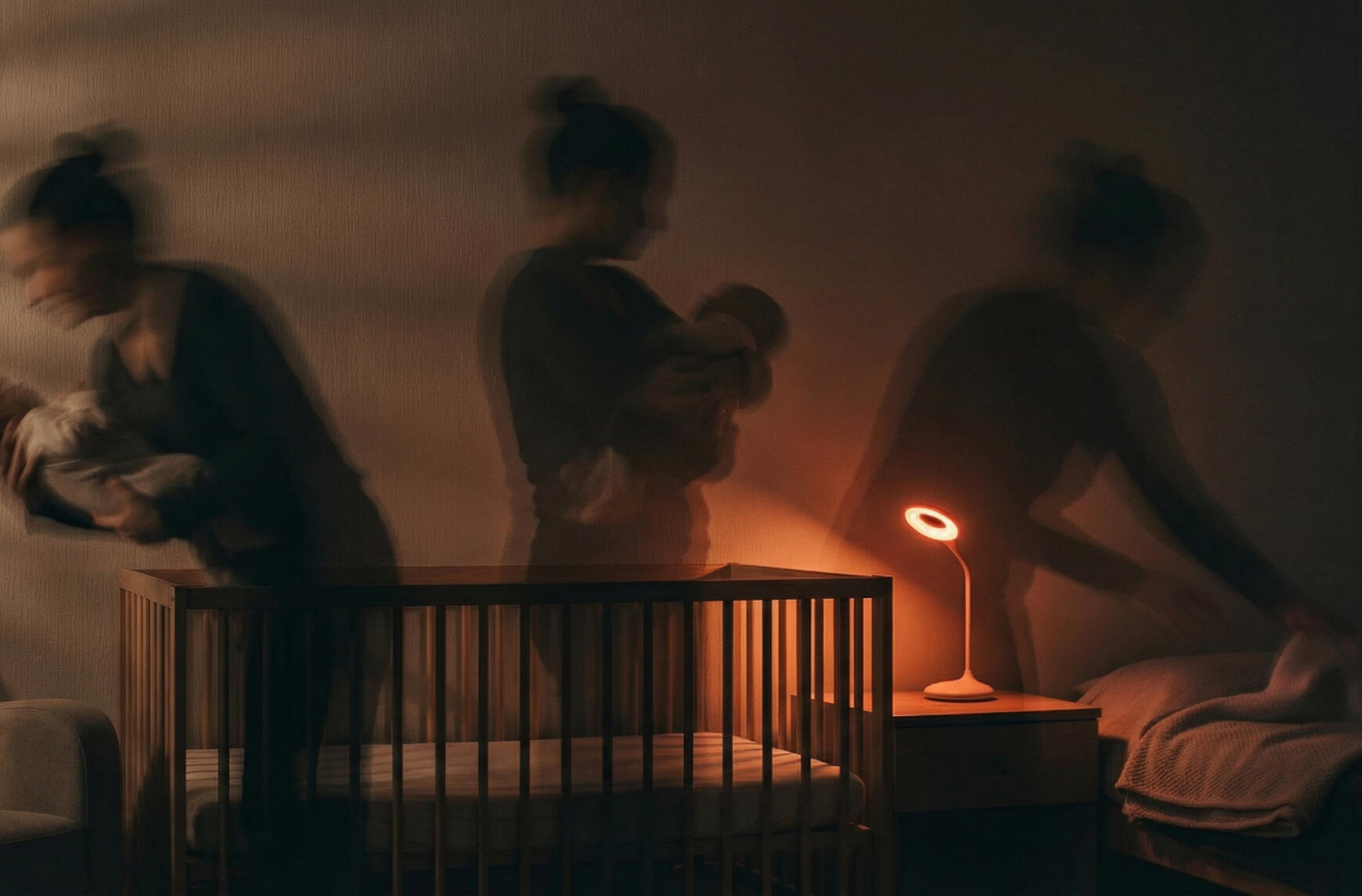
Rest Beyond the Bed
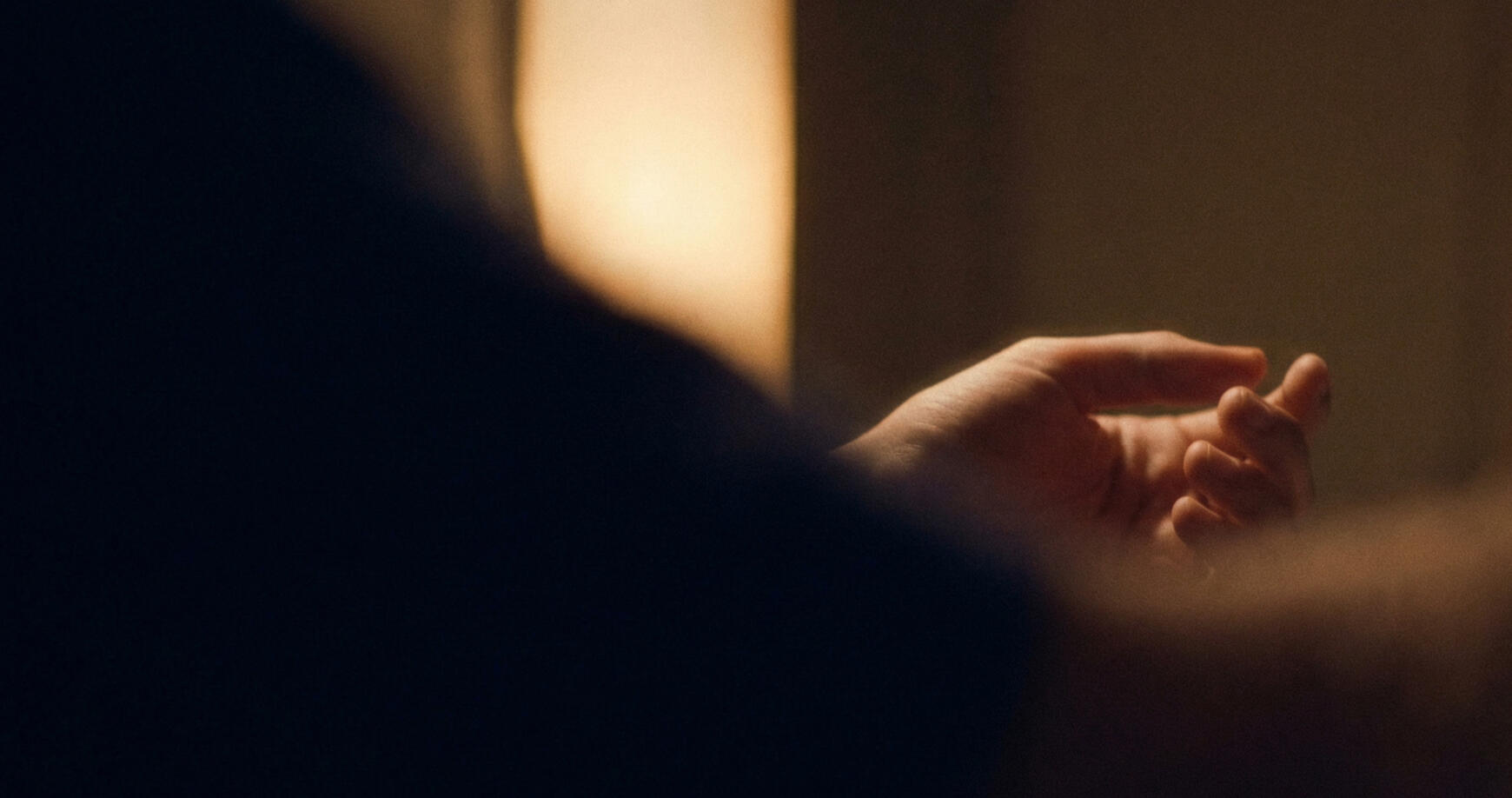
In early parenthood, sleep alone may not meet recovery needs. Research increasingly supports the idea that rest is broader than sleep. Quiet moments, reduced stimulation, and nervous system downshifting during the day contribute meaningfully to overall recovery.This may include short periods of stillness while the baby sleeps, brief exposure to daylight to stabilise circadian rhythm, or gentle movement that reduces stress without increasing fatigue. These moments help lower baseline arousal, making night-time sleep easier to return to.Daytime light exposure is particularly important. Bright natural light earlier in the day supports circadian timing, which can improve night-time sleep continuity over time. This does not fix night wakings, but it strengthens the system that helps sleep return.Evenings benefit from gentler transitions. Dimming lights, reducing stimulation, and using warmer or blue-reduced light in the hours before bed support wind-down, even if sleep is delayed or interrupted later.Perhaps most importantly, parents benefit from permission. Permission to sleep in fragments. Permission to rest imperfectly. Permission to use tools, whether that’s a blue-free lamp, shared schedules, or quiet routines, without expecting them to solve everything.Sleep for new parents is not about control. It is about supporting rest wherever it appears, and trusting that recovery, though altered, is still happening.
Further Reading & Sources
Chang, A. M. et al. (2015). Evening use of light-emitting eReaders negatively affects sleep. Proceedings of the National Academy of Sciences.
https://www.pnas.org/doi/10.1073/pnas.1418490112Cajochen, C. et al. (2005). High sensitivity of human melatonin and alertness to short-wavelength light. Journal of Clinical Endocrinology & Metabolism.
https://academic.oup.com/jcem/article/90/3/1311/2836732Gooley, J. J. et al. (2011). Exposure to room light before bedtime suppresses melatonin onset. Journal of Clinical Endocrinology & Metabolism.
https://academic.oup.com/jcem/article/96/3/E463/2833673Hale, L., & Guan, S. (2015). Screen time and sleep among school-aged children and adolescents. Sleep Medicine Reviews.
https://www.sciencedirect.com/science/article/pii/S1087079214000714Sleep Foundation. Screen Time and Sleep.
https://www.sleepfoundation.org/how-sleep-works/screen-time-and-sleep
More readings


Rest for Those Who Work at Night
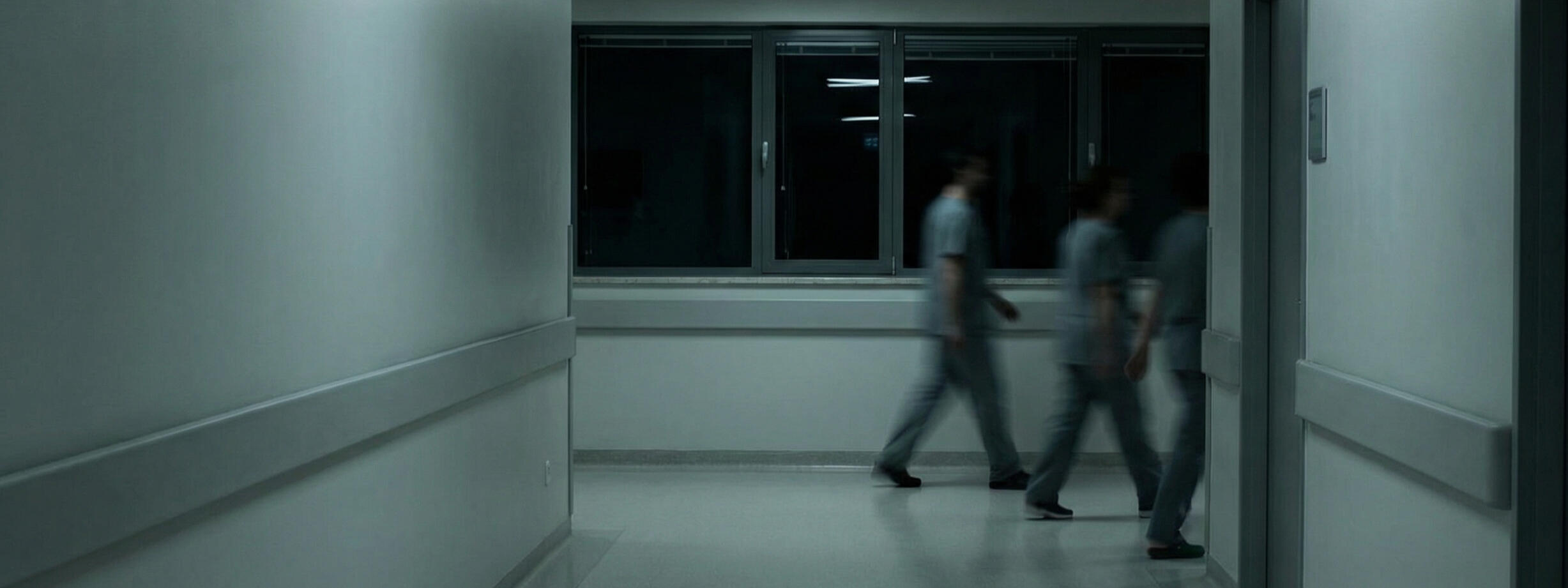
Working Against Biological Time
Night work places the body in a unique position. While the demands of work require alertness, decision-making, and sustained attention, the body’s internal systems are naturally oriented toward rest. Circadian rhythm, which coordinates sleep, hormone release, and body temperature, is strongly influenced by light and typically expects darkness at night.Research shows that most night workers do not fully adapt to a reversed schedule. Instead, they often remain partially aligned to a daytime rhythm, even after long periods of night work. This state of partial alignment can lead to lighter sleep, more frequent awakenings, and reduced deep sleep when rest occurs during the day.Importantly, this is not a failure to “adjust properly.” Studies suggest that complete circadian reversal is rare outside of tightly controlled environments. In real life, exposure to daylight, social schedules, and rotating rosters continually pull the system back toward a daytime pattern.Understanding this reframes expectations. The goal for night workers is not to recreate perfect sleep, but to protect recovery within constraint. Accepting that sleep may be shorter, lighter, or differently structured reduces frustration and allows focus on practical supports that make rest more accessible.This perspective also highlights why environmental factors, particularly light, play such an important role. When timing cannot be fully controlled, reducing unnecessary stimulation becomes one of the most effective ways to support rest.

Using Light as a Tool
Light is often discussed as something to avoid at night, but for those who work overnight, light has a dual role. Research consistently shows that blue-enriched, brighter light increases alertness, reaction time, and performance. In healthcare, emergency services, and other safety-critical roles, this effect is not only helpful but necessary.During night shifts, exposure to brighter light can support vigilance and reduce fatigue-related errors. In this context, blue light serves a functional purpose. Problems arise when the same light exposure continues beyond the shift.Short-wavelength, blue-enriched light signals daytime to the circadian system. Studies show that exposure close to sleep delays circadian night and suppresses melatonin, making it harder to settle. For night workers, this often occurs during the commute home or while unwinding in brightly lit environments.Here, blue-free or long-wavelength light becomes useful. Research comparing light spectra indicates that red and amber tones have a lower circadian impact and are less alerting. Using blue-free light during wind-down periods does not induce sleep or override circadian disruption, but it can help reduce unnecessary stimulation when preparing for rest.The practical takeaway is intentional contrast. Use brighter, blue-enriched light when alertness is required. Reduce intensity and shift toward blue-free or warmer light when transitioning to rest. Light works best when its role is clear.
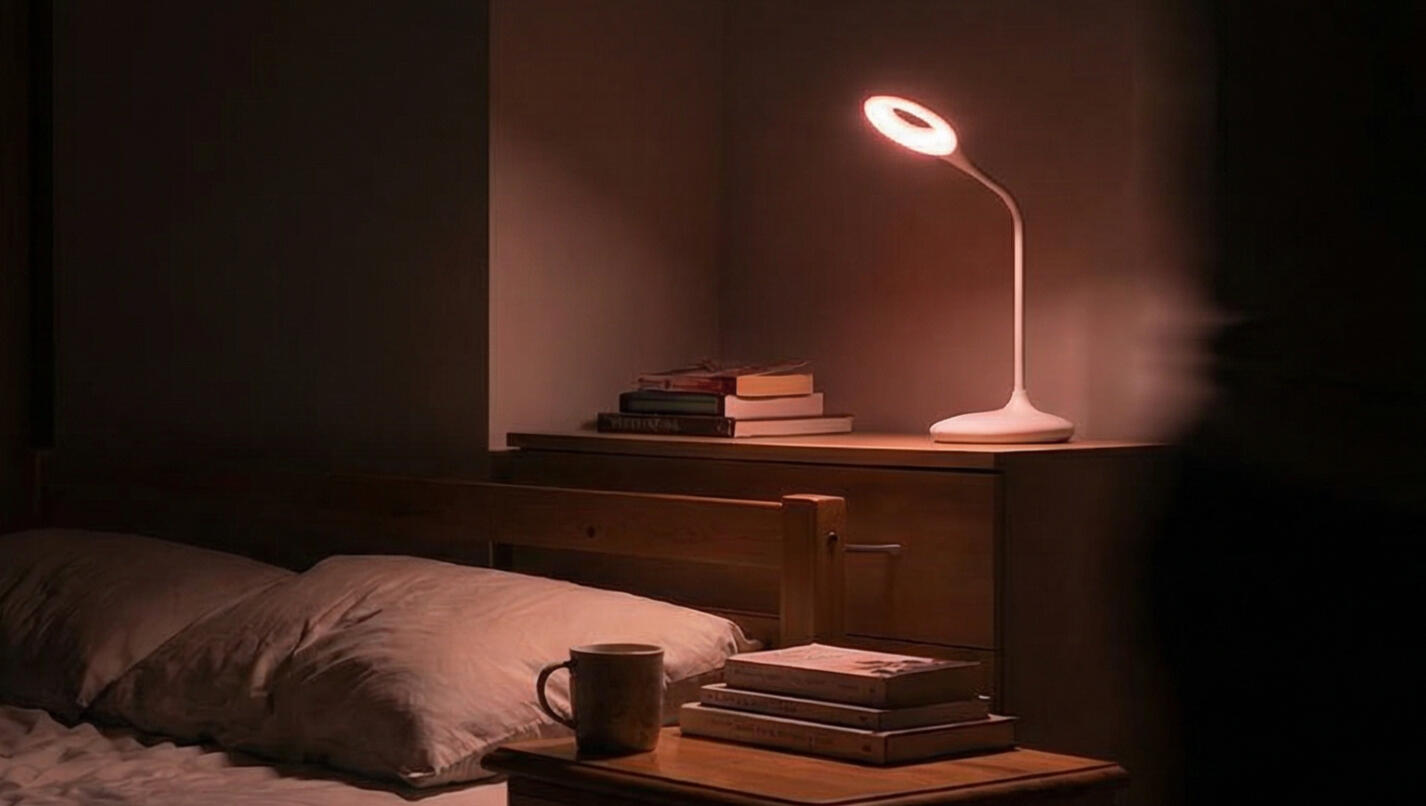
Protecting Sleep During the Day
When sleep happens during the day, the bedroom becomes the primary defence against disruption. Research consistently shows that light exposure during sleep increases awakenings and reduces sleep depth, even at relatively low levels.Blackout curtains, eye masks, and blocking external light sources help preserve darkness. This is particularly important in the early morning, when circadian sensitivity to light is high. Reducing light spill from adjacent rooms and covering indicator lights can further limit stimulation.Temperature and noise matter more during daytime sleep. Cooler room temperatures are associated with better sleep continuity, and steady background sound may help mask unpredictable daytime noise. These adjustments do not deepen sleep directly, but they reduce factors that fragment it.Routine also plays a role. Even when sleep timing varies, keeping the sequence of pre-sleep cues consistent helps the nervous system recognise rest. Lower lighting, quieter activity, and familiar signals such as a shower or changing clothes act as anchors when the clock cannot.Importantly, daytime sleep does not need to mirror night sleep to be valuable. Shorter or lighter sleep periods still contribute to recovery when protected from unnecessary disruption.
Recovery Over Perfection
Long-term studies of night workers emphasise sustainability. Attempting to force full adaptation often increases strain, especially when schedules change or days off require re-adjustment. People tend to fare better when they focus on preserving recovery rather than achieving ideal sleep.This may include strategic naps, especially before or after shifts, to manage sleep pressure. It also involves recognising when to prioritise rest over routine, and when flexibility is more supportive than consistency.Light management remains one of the most practical tools available. Bright light during work supports performance and safety. Reduced, blue-free or warm light before rest helps signal transition. Darkness during sleep protects continuity.Equally important is psychological closure. High-responsibility night work often carries emotional and cognitive load. Simple rituals that mark the end of a shift help the nervous system stand down, making rest more accessible.Rest for those who work at night will always look different. Supporting it is about reducing friction, not overriding biology.
Further Reading & Sources
Boivin, D. B., & Boudreau, P. (2014). Impacts of shift work on sleep and circadian rhythms. Pathologie Biologie.
https://www.sciencedirect.com/science/article/pii/S0369811414000699Åkerstedt, T. (2003). Shift work and disturbed sleep/wakefulness. Occupational Medicine.
https://academic.oup.com/occmed/article/53/2/89/1361687Cajochen, C. et al. (2005). High sensitivity of human melatonin and alertness to short-wavelength light. Journal of Clinical Endocrinology & Metabolism.
https://academic.oup.com/jcem/article/90/3/1311/2836732Wright, K. P. et al. (2013). Circadian rhythm disruption and sleep in shift work. Proceedings of the National Academy of Sciences.
https://www.pnas.org/doi/10.1073/pnas.1219262110Sleep Foundation. Shift Work and Sleep.
https://www.sleepfoundation.org/shift-work-disorder
More readings


Sleep When the Schedule Shifts

When Hours Mislead
For people working rotating shifts, nights, or irregular hours, sleep is less about bedtime and more about biological timing. Circadian rhythm is shaped by repeated exposure to light, activity, and rest. When work schedules change frequently, these cues shift faster than the body can adapt. Research describes this as circadian misalignment, where internal biological night no longer aligns with external clock time.This misalignment does not always prevent sleep, but it often changes its structure. Deep sleep is most likely when sleep occurs during biological night. When sleep is pushed into daylight hours or rotated across the week, deep sleep may be reduced or redistributed, even if total sleep duration appears sufficient. Many shift workers describe sleep that feels lighter, more fragmented, or less restorative.Light exposure plays a central role here. Studies show that bright or blue-enriched light signals “daytime” to the circadian system, increasing alertness and delaying night-time physiology. For shift workers, this can become a problem in two directions: exposure to bright light while commuting home in the morning, and exposure to stimulating indoor light before trying to sleep at unconventional times.Importantly, research suggests that spectral quality matters, not just brightness. Short-wavelength (blue) light has a stronger circadian impact than longer wavelengths. This helps explain why some people find it harder to settle after exposure to cool white lighting or screens, particularly when sleep timing is already misaligned.Understanding this helps reframe the challenge. The issue is not a lack of discipline, but a system receiving mixed signals. The goal becomes reducing unnecessary stimulation during rest periods, rather than forcing sleep to happen on demand.

Rest on Changing Schedules
Evidence suggests that people with shifting schedules benefit most from controlling the sleep environment, especially light. When sleeping during the day, minimizing light exposure supports deeper rest. Blackout curtains, eye masks, and reducing light spill from adjacent rooms help limit signals that compete with sleep.Light exposure while awake should be intentional. Bright light during working hours supports alertness and task performance. However, research indicates that exposure to blue-enriched light close to sleep time can delay circadian night, even when sleep occurs during the day. For this reason, some shift workers choose to reduce exposure to cool white lighting and screens in the hour or two before sleep.Where light is needed before rest, lower-intensity, long-wavelength or blue-free light produces less circadian stimulation. Studies comparing spectra show that these wavelengths have a reduced effect on melatonin suppression and alerting responses. This does not induce sleep or override circadian disruption, but it may help preserve a lower-stimulation environment when winding down.Noise and temperature also play a larger role when sleep occurs at unconventional times. Daytime noise is often unpredictable, and steady background sound may help mask sudden disturbances. Cooler room temperatures are associated with better sleep continuity and may help offset daytime warmth.Finally, routines matter even when timing shifts. Keeping the sequence of wind-down cues consistent—lowering light, quiet activity, familiar signals—helps the nervous system recognise rest, even when the clock says otherwise.
Living With a Moving Rhythm
Long-term research on shift work emphasises sustainability rather than perfect adaptation. Attempting to fully reset circadian rhythm for every roster change often increases strain. Instead, people tend to fare better when they adopt flexible strategies that protect sleep continuity without rigid expectations.This includes accepting variability. Some sleep periods will be lighter than others. Deep sleep may arrive in shorter bursts rather than long stretches. Looking at patterns across weeks rather than individual days provides a more realistic picture of rest.Light management remains one of the most practical tools available. Reducing exposure to bright, blue-enriched light before sleep periods, and protecting darkness during rest, helps limit additional circadian disruption. At the same time, seeking brighter light during active periods supports alertness and reinforces contrast between work and rest.Crucially, no lighting choice can “fix” shift work sleep. Blue-free or low-stimulation lighting should be understood as supportive tools, not solutions. Their role is to reduce friction, not override biology.When schedules shift, sleep becomes an ongoing negotiation rather than a fixed target. Small, repeatable adjustments, especially around light, environment, and routine often make the greatest difference over time.
Further Reading & Sources
Åkerstedt, T. (2003). Shift work and disturbed sleep/wakefulness. Occupational Medicine.
https://academic.oup.com/occmed/article/53/2/89/1361687Boivin, D. B., & Boudreau, P. (2014). Impacts of shift work on sleep and circadian rhythms. Pathologie Biologie.
https://www.sciencedirect.com/science/article/pii/S0369811414000699Cajochen, C. et al. (2005). High sensitivity of human melatonin and alertness to short-wavelength light. Journal of Clinical Endocrinology & Metabolism.
https://academic.oup.com/jcem/article/90/3/1311/2836732Gooley, J. J. et al. (2011). Exposure to room light before bedtime suppresses melatonin onset. Journal of Clinical Endocrinology & Metabolism.
https://academic.oup.com/jcem/article/96/3/E463/2833673Sleep Foundation. Shift Work and Sleep.
https://www.sleepfoundation.org/shift-work-disorder
More readings


Sleep Quality vs Duration

Why Hours Alone Don’t Tell the Story
For years, sleep has been framed as a numbers game. Eight hours is often cited as the goal, implying that duration alone defines a good night’s rest. Yet research consistently shows that sleep is more complex than a single measure. Two people may spend the same amount of time in bed and wake feeling very different. This difference is often explained by sleep quality rather than duration.Sleep quality reflects how sleep is structured across the night. It includes how easily someone falls asleep, how often sleep is interrupted, how deeply they sleep, and how restorative the night feels upon waking. Studies examining subjective sleep quality show that people frequently report poor sleep despite adequate duration, particularly when sleep is fragmented or dominated by lighter stages.Physiologically, sleep unfolds in cycles that include lighter and deeper stages. Deep sleep, or slow-wave sleep, is most prominent earlier in the night and is closely linked to physical restoration. REM sleep, which tends to increase toward morning, supports cognitive and emotional processing. When these stages are disrupted or unevenly distributed, sleep may feel less refreshing even if total time remains unchanged.This helps explain why “catching up” on sleep does not always resolve fatigue. Extending time in bed may increase duration without restoring depth or continuity. Quality, in this sense, reflects alignment between the body’s internal rhythms and the environment in which sleep occurs.Understanding the distinction between quality and duration reframes the goal. Rather than chasing more hours, the focus shifts toward supporting conditions that allow sleep to unfold more smoothly across the night.
What Shapes Sleep Quality
Sleep quality is influenced by a combination of biological timing, environmental conditions, and daily habits. Circadian rhythm plays a central role. When sleep timing aligns with internal biological night, sleep tends to be deeper and more consolidated. When misaligned, even long sleep periods can feel light or fragmented.Environmental factors matter as well. Research shows that light, noise, and temperature influence sleep continuity and depth. Exposure to light at night can increase awakenings or reduce deep sleep, while unpredictable noise is more disruptive than steady background sound. Thermal comfort also affects sleep stages, with overheating linked to increased wakefulness.Daytime behaviors accumulate into night-time outcomes. Bright daytime light exposure, regular meal timing, and consistent activity patterns help strengthen circadian signals. Conversely, irregular schedules, late-night stimulation, and inconsistent routines can weaken sleep structure.Psychological state is another key influence. Stress and cognitive load increase night-time arousal, making the brain more responsive to disturbances. Even when sleep duration is sufficient, elevated arousal can reduce perceived quality.Importantly, these factors interact. A quiet, dark bedroom may not compensate for severe circadian misalignment, just as good timing may not fully offset a disruptive environment. Sleep quality emerges from how these elements work together over time.From a practical standpoint, improving sleep quality often involves small adjustments across multiple areas rather than a single intervention. The body responds to patterns, not isolated changes.

When Longer Sleep Isn’t Better
There are times when extending sleep duration is appropriate, such as after illness or travel. However, research suggests that routinely spending excessive time in bed does not necessarily improve sleep quality and may, in some cases, increase fragmentation.Sleep efficiency, the proportion of time in bed spent asleep, is often used in research as a marker of sleep quality. Lower efficiency is associated with longer awakenings and lighter sleep. When time in bed exceeds sleep need, efficiency can decline, making sleep feel less restorative.This does not mean people should restrict sleep intentionally. Rather, it highlights the importance of aligning sleep opportunity with biological readiness. Consistent bedtimes, regular wake times, and clear day–night cues help the body consolidate sleep within an appropriate window.The experience of unrefreshing sleep despite long duration often reflects underlying fragmentation. Night-time awakenings, early-morning light exposure, or environmental disruptions can all reduce quality without reducing hours.Understanding this distinction can reduce anxiety around sleep. Worrying about “not getting enough” may lead to longer time in bed, increased monitoring, and heightened arousal, which paradoxically worsens sleep quality.Reframing sleep as a rhythm rather than a quota allows for a more flexible, sustainable approach.
Supporting Quality Over Quantity
Research suggests that supporting sleep quality involves creating conditions that encourage continuity and depth rather than extending duration alone. Practical strategies often focus on strengthening circadian timing, reducing night-time disruption, and maintaining consistency.Daytime light exposure, especially earlier in the day, helps anchor circadian rhythm. Evenings that gradually dim and quiet support the transition into night. Bedrooms that remain dark, cool, and quiet reduce unnecessary awakenings.Responding calmly to night-time awakenings also matters. Brief awakenings are normal. Minimizing stimulation, particularly bright or blue-enriched light, helps preserve sleep continuity.Finally, perspective plays a role. Quality varies night to night. Occasional lighter sleep does not negate overall rest. Looking at patterns across weeks rather than individual nights provides a more accurate picture.Sleep quality is not something to force. It emerges when timing, environment, and routine align. In this context, duration becomes one part of a larger system rather than the sole measure of success.

Further Reading & Sources
Ohayon, M. et al. (2017). What are the main determinants of sleep quality? Journal of Sleep Research.
https://onlinelibrary.wiley.com/doi/10.1111/jsr.12417Czeisler, C. A., & Buxton, O. M. (2011). The human circadian timing system and sleep–wake regulation. Progress in Brain Research.
https://www.sciencedirect.com/science/article/pii/B9780444535854000126Krystal, A. D., & Edinger, J. D. (2008). Measuring sleep quality. Sleep Medicine.
https://www.sciencedirect.com/science/article/pii/S1389945708000041Gooley, J. J. et al. (2011). Exposure to room light before bedtime suppresses melatonin onset. Journal of Clinical Endocrinology & Metabolism.
https://academic.oup.com/jcem/article/96/3/E463/2833673Sleep Foundation. Sleep Quality.
https://www.sleepfoundation.org/how-sleep-works/sleep-quality
More readings


Night Light and Sleep Quality
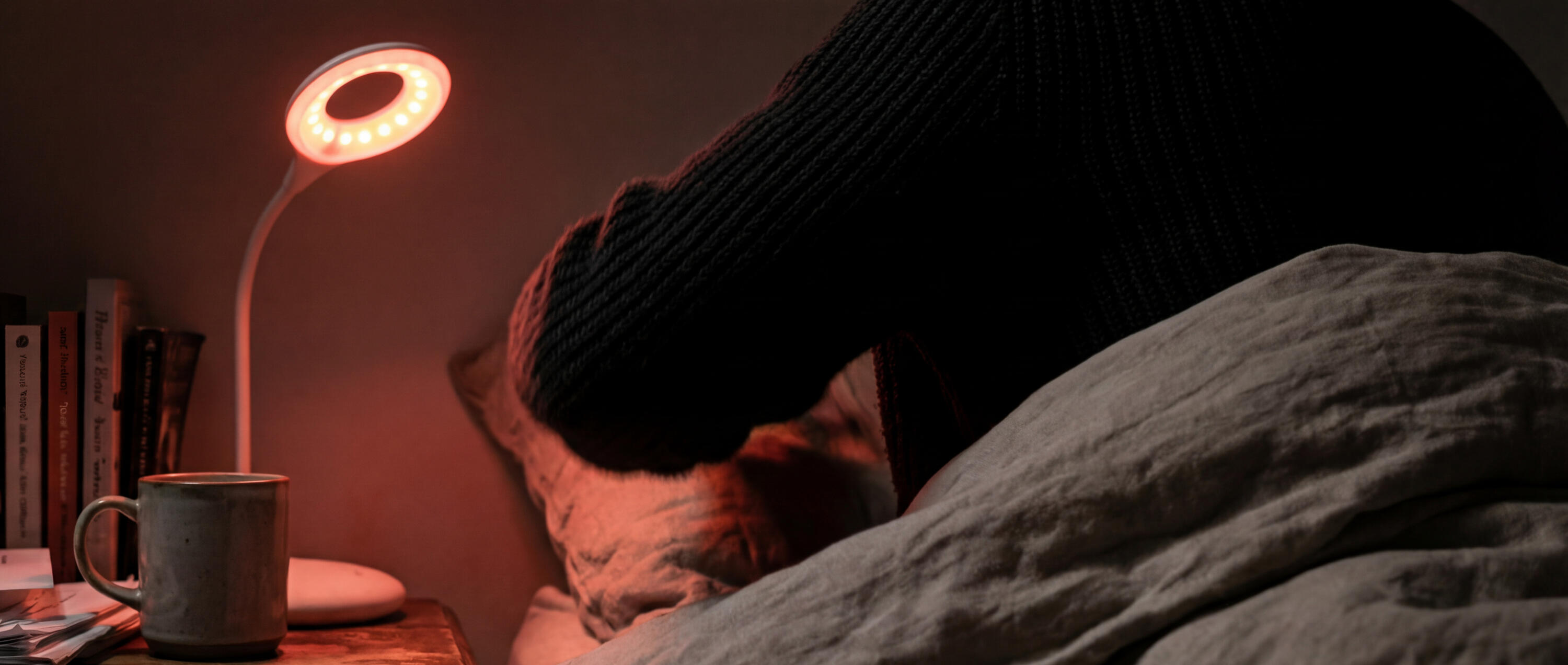
Light Exposure During Sleep
Sleep is often imagined as a state of complete disconnection, yet the sleeping brain remains responsive to its environment. Research shows that sensory input, particularly light, continues to be processed during sleep and can influence both sleep continuity and depth. This means that light present in the bedroom overnight, whether constant or intermittent, may affect how rest unfolds.Studies examining ambient night-time light exposure have found associations between light levels in the sleep environment and changes in sleep architecture. Even low-level illumination can reduce the depth of sleep or increase the likelihood of brief awakenings, particularly in sensitive individuals. These effects appear to be cumulative rather than absolute, shaped by intensity, timing, and spectral composition.Importantly, the circadian system does not fully “switch off” during sleep. Light reaching the eyes at night can still signal time-of-day information to the brain’s internal clock. This is especially relevant in modern bedrooms where light sources may include street lighting, electronic indicators, or adjacent rooms.From a practical perspective, this research reframes the question. It’s not only about whether one falls asleep, but about the environment that surrounds the body once sleep has begun. A bedroom that remains dark through the night provides fewer signals that compete with the body’s night-time physiology.This does not imply that any light is harmful or that darkness must be absolute. Rather, it highlights the value of minimizing unnecessary illumination during sleep to reduce environmental input that may fragment rest.
Blue Light and Circadian Sensitivity
Not all light is processed equally by the circadian system. Research has consistently shown that short-wavelength, blue-enriched light has a stronger effect on circadian signaling than longer wavelengths. This is due to melanopsin-containing retinal cells, which are particularly responsive to blue light and play a central role in regulating circadian timing.Exposure to blue-enriched light at night has been shown to suppress melatonin and increase alertness, even at relatively low intensities. While most studies focus on evening exposure, evidence suggests that night-time exposure during awakenings may also reinforce alerting signals, making it harder to return to rest.By contrast, long-wavelength or blue-free light produces significantly less circadian stimulation. Research comparing different spectra indicates that red and amber tones have a lower melanopic impact, meaning they are less likely to strongly signal “daytime” to the brain. This distinction becomes particularly relevant during night-time awakenings, when the goal is often to remain minimally alert.Importantly, blue-free light does not induce sleep or override biological processes. Its role is environmental rather than therapeutic. When used at very low levels, it may help preserve a low-stimulation setting that supports settling back into rest.This spectral sensitivity helps explain why screens, overhead lighting, and cool white bulbs are more disruptive at night than dim, warm alternatives.

Night-Time Awakenings and Light Response
Brief awakenings during the night are a normal feature of human sleep. What determines whether these awakenings pass unnoticed or become disruptive often depends on what happens immediately afterward. Research on arousal systems shows that sensory input plays a key role in this transition.Light exposure during a night-time awakening can rapidly increase alertness. Bright or blue-enriched light is particularly effective at doing so, as it directly engages circadian and alerting pathways. This can shift the brain from a low-arousal state into a more wakeful mode, prolonging the awakening.Conversely, minimizing stimulation during these moments appears to support faster resettling. Keeping lights very dim, limiting movement, and avoiding engaging visual content reduces the likelihood of fully activating alertness systems. Studies suggest that maintaining a consistent, low-stimulation response during awakenings helps preserve sleep continuity.The timing of these awakenings also matters. Sleep naturally becomes lighter in the early morning hours, making the brain more responsive to environmental cues. This increased sensitivity means that light exposure late in the night may have a stronger effect than the same exposure earlier.Understanding this process shifts the focus from avoiding awakenings to managing the environment around them.

Practical Light Choices at Night
Research on night-time light consistently emphasizes context over control. The aim is not to eliminate light entirely, but to reduce unnecessary stimulation during periods when the body expects darkness.Practical strategies include keeping the bedroom as dark as possible using curtains or blinds, covering small indicator lights, and minimizing light spill from adjacent spaces. If light is needed during the night, using the lowest possible level and choosing warmer, long-wavelength tones reduces circadian impact.Avoiding screens during night-time awakenings is especially important, as they combine blue-enriched light with cognitively engaging content. Even brief exposure can increase alertness beyond what is helpful for returning to rest.Daytime light exposure also plays a role. Brighter days strengthen circadian contrast, making the system more resilient to brief, low-level light at night. This reinforces the idea that night-time light sensitivity is shaped by the entire day, not just the bedroom.Ultimately, light at night influences sleep indirectly. By keeping night-time environments calm, dim, and predictable, the body is given fewer reasons to interpret awakening as the start of the day.
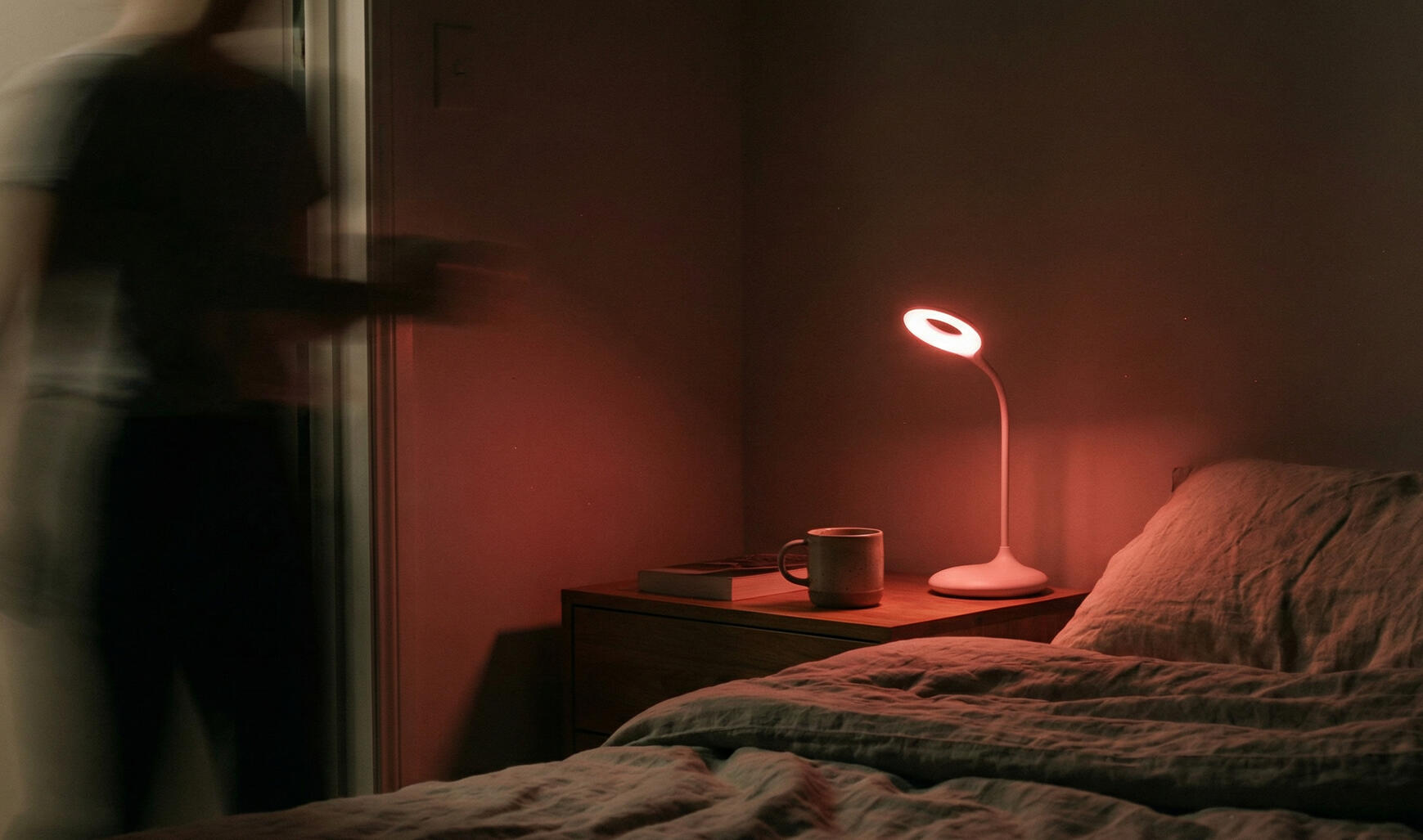
Further Reading & Sources
Gooley, J. J. et al. (2011). Exposure to room light before bedtime suppresses melatonin onset and shortens melatonin duration in humans. Journal of Clinical Endocrinology & Metabolism.
https://academic.oup.com/jcem/article/96/3/E463/2833673Cajochen, C. et al. (2005). High sensitivity of human melatonin and alertness to short-wavelength light. Journal of Clinical Endocrinology & Metabolism.
https://academic.oup.com/jcem/article/90/3/1311/2836732Souman, J. L. et al. (2018). Spectral tuning of white light allows reduction of melatonin suppression without changing illumination level. Chronobiology International.
https://journals.sagepub.com/doi/10.1177/0748730418777324Cho, Y. et al. (2016). Exposure to dim artificial light at night increases wakefulness and alters sleep architecture. Proceedings of the National Academy of Sciences.
https://www.pnas.org/doi/10.1073/pnas.1602699113Sleep Foundation. Light and Sleep.
https://www.sleepfoundation.org/how-sleep-works/light-and-sleep
More readings


Why You Wake at Night
Night Waking Is Part of Sleep
One of the most common questions people ask about sleep is also one of the most misunderstood: Why do I wake up at night? The assumption is often that uninterrupted sleep is the goal, yet research paints a more nuanced picture. Humans naturally cycle through different stages of sleep approximately every 90 minutes, moving between lighter and deeper states. Brief awakenings often occur between these cycles, even if we don’t always remember them.From an evolutionary perspective, this makes sense. Light sleep and brief arousals were adaptive, allowing awareness of the environment without fully ending rest. Modern sleep studies confirm that waking briefly during the night is a normal part of sleep architecture. The difference lies not in whether someone wakes, but in whether they settle again easily.What tends to concern people is becoming alert after waking. This shift from low arousal to full wakefulness can make night-time awakenings feel disruptive, even when they are biologically typical. Research suggests that factors influencing this transition include stress levels, circadian timing, environmental stimulation, and individual sensitivity.Importantly, the frequency of awakenings can vary from night to night. Deeper sleep earlier in the night is often followed by lighter sleep toward morning, making awakenings more noticeable in the early hours. This variability does not necessarily signal poor sleep, but it does shape how rested someone feels the next day.Understanding that night-time awakenings are normal reframes the problem. Rather than asking how do I stop waking, a more helpful question becomes what helps me return to rest when I do?
Why Some Nights Are Lighter Than Others
Sleep depth is not fixed. It fluctuates in response to both internal and external conditions. Research shows that factors such as stress, illness, travel, irregular schedules, and changes in routine can all influence how deeply the body sleeps on a given night.Circadian timing plays a central role. Deep sleep tends to be more concentrated in the early part of the night, when sleep pressure is highest and circadian signals align. As the night progresses, sleep naturally becomes lighter, increasing the likelihood of awakenings. This is why early-morning wake-ups are often more difficult to ignore.Individual differences also matter. Genetics, age, and sensitivity to environmental stimuli influence how easily someone moves between sleep stages. Some people are naturally lighter sleepers, while others maintain deeper sleep despite noise or movement. Neither pattern is inherently better; they simply reflect different nervous system thresholds.Stress and cognitive load are particularly influential. Research on arousal systems shows that unresolved stress can increase night-time vigilance, making the brain more responsive to small disturbances. This does not mean someone is consciously worrying while asleep, but rather that the nervous system remains more easily activated.Quality of sleep, then, is not defined by a single night. It emerges from patterns across time. Nights of lighter sleep are often followed by deeper ones as sleep pressure balances out. Recognizing this variability can reduce anxiety around individual awakenings, which itself is known to worsen night-time alertness.
What Happens When You Wake
When a person wakes during the night, the brain moves from a low-arousal state toward alertness. Whether this shift remains brief or becomes prolonged depends largely on what happens in the moments after waking.Neuroscience research shows that sensory input strongly influences this transition. Light, sound, and movement all act as signals that can either sustain alertness or allow it to fade. Among these, light is especially powerful. Exposure to light during the biological night can signal the circadian system that morning is approaching, even if it’s still dark outside.Short-wavelength, blue-enriched light has the strongest alerting effect. Studies demonstrate that even brief exposure can suppress melatonin and increase wakefulness. This is why bright overhead lights or phone screens can make it harder to settle again after a night-time awakening.By contrast, long-wavelength, blue-free light produces far less circadian stimulation. While no light is entirely neutral, red or amber tones are associated with lower melanopic impact, meaning they are less likely to fully re-engage alertness. For this reason, some people choose very dim, warm lighting for night-time visibility.The goal during night awakenings is not to avoid waking altogether, but to keep the environment as low-stimulation as possible. Moving slowly, limiting light exposure, and avoiding engaging content can help the brain return to rest more easily.
Light, Settling Back, and Sleep Continuity
Research consistently shows that the quality of light matters as much as the presence of light itself. Blue-enriched spectra are designed to support alertness during the day. When encountered at night, especially during awakenings, they can interrupt the natural decline in arousal that supports sleep continuity.Studies comparing different light spectra suggest that blue-free or long-wavelength lighting has a smaller impact on circadian signaling. This does not induce sleep, but it reduces the risk of shifting the brain fully into a daytime mode. In practical terms, this may make it easier to settle again after brief awakenings.Importantly, the effect of light during the night is influenced by what came before. Brighter days tend to strengthen circadian contrast, making the system more resilient to brief, low-level light exposure at night. Dim days, combined with bright nights, create the opposite effect.This reinforces the idea that night-time awakenings should be considered within the broader context of the day. Light management is cumulative. Small choices repeated consistently shape how sensitive the system becomes over time.

Practical Ways to Support Better Nights
Research suggests that supporting sleep continuity is less about control and more about environment. Practical approaches focus on reducing stimulation during awakenings rather than eliminating them.Keeping the bedroom dark, cool, and quiet helps limit unnecessary arousal. If light is needed, using the dimmest possible, warm-toned source reduces alerting signals. Avoiding screens during night awakenings is especially important due to their blue-enriched light and engaging content.During the day, seeking natural light and maintaining regular routines strengthens circadian timing, which in turn supports deeper sleep earlier in the night. In the evening, gradual dimming helps prepare the system for rest.Finally, perspective matters. Night-time awakenings are common and often temporary. Responding to them calmly, without engaging the mind or environment too strongly, supports the body’s ability to return to rest.
Further Reading & Sources
Czeisler, C. A., & Buxton, O. M. (2011). The human circadian timing system and sleep–wake regulation. Progress in Brain Research.
https://www.sciencedirect.com/science/article/pii/B9780444535854000126Gooley, J. J. et al. (2011). Exposure to room light before bedtime suppresses melatonin onset and shortens melatonin duration in humans. Journal of Clinical Endocrinology & Metabolism.
https://academic.oup.com/jcem/article/96/3/E463/2833673Cajochen, C. et al. (2005). High sensitivity of human melatonin and alertness to short-wavelength light. Journal of Clinical Endocrinology & Metabolism.
https://academic.oup.com/jcem/article/90/3/1311/2836732Souman, J. L. et al. (2018). Spectral tuning of white light allows reduction of melatonin suppression without changing illumination level. Chronobiology International.
https://journals.sagepub.com/doi/10.1177/0748730418777324Sleep Foundation. Nighttime Awakenings.
https://www.sleepfoundation.org/how-sleep-works/nighttime-awakenings
More readings


How Light Affects Sleep

Light as Biological Information
Light does far more than help us see. From a biological perspective, light is one of the body’s most influential sources of information about time. Specialized cells in the retina detect not only brightness, but wavelength, sending signals directly to the brain’s circadian clock. This clock, in turn, coordinates daily rhythms in hormone release, body temperature, alertness, and sleep architecture.Research consistently shows that the circadian system is especially sensitive to short-wavelength, blue-enriched light. Exposure to this type of light later in the day can delay circadian timing, shifting the internal sense of night later. While this does not prevent sleep outright, it can alter the timing and structure of sleep across the night.Deep sleep, often referred to as slow-wave sleep, tends to occur earlier in the night and is closely linked to circadian phase and sleep pressure. When circadian timing is delayed, this early-night depth may be redistributed or reduced, even if total sleep time remains similar. This is why light is often discussed in relation to sleep quality, not just sleep onset.Importantly, the circadian system responds to patterns, not isolated events. One bright evening does not undo sleep, just as one dim evening does not guarantee depth. Over time, however, repeated exposure to bright or stimulating light at night can weaken the contrast between day and night signaling, making sleep feel lighter or more fragmented.Understanding light as information reframes the conversation. The goal is not darkness at all costs, but clarity. When light use aligns with time of day, the body receives a more coherent signal, supporting the natural organization of sleep stages through the night.

Daylight Builds Night Depth
The relationship between light and deep sleep does not begin in the evening. Research suggests that brighter days support stronger nights by increasing circadian amplitude, the contrast between biological day and biological night. When this contrast is robust, night-time processes tend to express more clearly.Natural daylight is particularly effective. Outdoor light levels, even on overcast days, are dramatically higher than most indoor environments. Studies show that people who receive more daytime light exposure often exhibit more stable circadian timing and improved sleep consolidation compared to those who spend most of the day in dim interiors.From a practical standpoint, this means that supporting deep sleep often starts with seeking light earlier, not avoiding it later. Spending time outdoors in the morning or early afternoon, working near windows, or taking brief daylight breaks can help strengthen daytime signaling.This does not require constant brightness. The circadian system integrates light exposure across time, responding to overall patterns rather than moment-to-moment intensity. Even short periods of outdoor light can contribute meaningfully.When daytime light exposure is low, evenings take on disproportionate influence. In these cases, even modest evening light may have a stronger delaying effect. By contrast, a bright day appears to buffer the impact of softer evening light.In this way, deep sleep is indirectly supported by how clearly the body experiences daytime. Light through the day creates the foundation upon which night-time depth is built.
Evening Light and Sleep Structure
As daylight fades, the circadian system expects a reduction in light intensity and a shift toward longer wavelengths. Research shows that exposure to bright or blue-enriched light in the evening suppresses melatonin and sustains alertness, delaying the internal sense of night.This delay does not simply affect when sleep begins. It can influence how sleep unfolds. Deep sleep tends to be most abundant in the early portion of the night. When circadian timing shifts later, this window may be compressed or redistributed, contributing to lighter or less settled sleep for some individuals.Evening light management therefore focuses on softening, not eliminating, illumination. Dimming overhead lights, relying on smaller, localized lamps, and choosing warmer color tones are strategies commonly discussed in the literature. These approaches reduce circadian stimulation while maintaining comfort and functionality.Some people also choose long-wavelength or blue-reduced lighting in the evening. These options do not induce sleep or replace routines, but they can help maintain a low-stimulation environment during wind-down hours.The timing of these changes matters. Gradual reduction earlier in the evening is often easier on the nervous system than abrupt darkness at bedtime. This mirrors natural dusk, which unfolds over time rather than instantly.Evening light practices work best when paired with bright days. Together, they create a clear signal: day has ended, night has begun.

Practical Light Choices for Better Nights
Research on light and sleep consistently emphasizes context over control. Small, repeatable choices made across the day tend to matter more than strict rules applied at night.Practical suggestions drawn from the literature include seeking daylight earlier in the day, especially outdoors, and allowing indoor spaces to gradually dim in the evening. Reducing reliance on bright overhead lighting after sunset and minimizing exposure to high-contrast screens late at night can help preserve a calmer visual environment.When light is needed at night, many people prefer low-level, warm illumination that provides visibility without strong stimulation. This can be particularly useful during night-time awakenings, where bright light may fully re-engage alertness.Consistency is key. The circadian system responds to patterns it can predict. Even small changes, when repeated most days, help clarify timing cues.Ultimately, light supports deep sleep indirectly. It shapes the rhythm of the day, which in turn influences how the night unfolds. By treating light as a pacing tool rather than a performance lever, it becomes easier to work with the body’s natural timing.
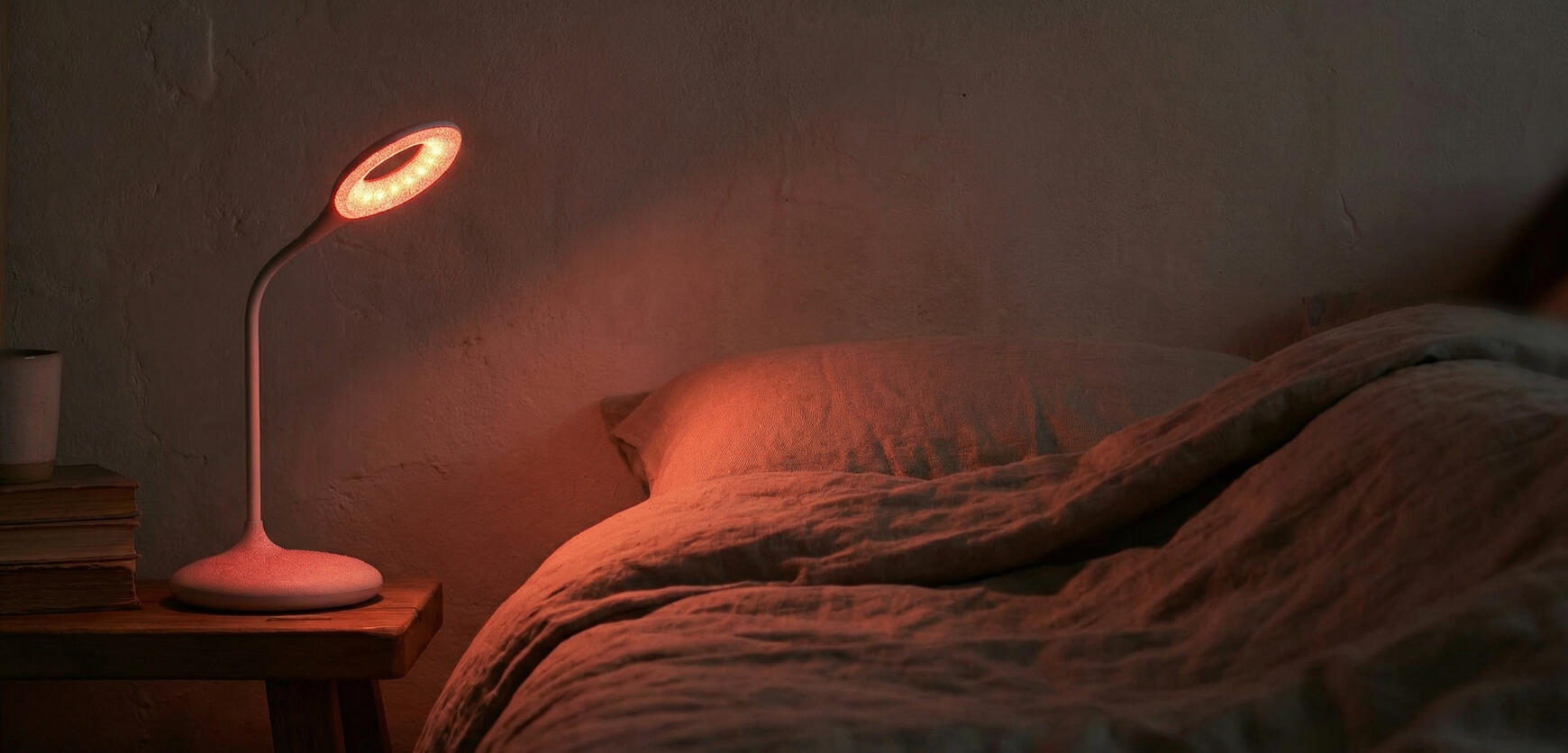
Further Reading & Sources
Cajochen, C. et al. (2005). High sensitivity of human melatonin and alertness to short-wavelength light. Journal of Clinical Endocrinology & Metabolism.
https://academic.oup.com/jcem/article/90/3/1311/2836732Gooley, J. J. et al. (2011). Exposure to room light before bedtime suppresses melatonin onset and shortens melatonin duration in humans. Journal of Clinical Endocrinology & Metabolism.
https://academic.oup.com/jcem/article/96/3/E463/2833673Khalsa, S. B. S. et al. (2003). A phase response curve to single bright light pulses in human subjects. Journal of Physiology.
https://physoc.onlinelibrary.wiley.com/doi/full/10.1113/jphysiol.2003.053942Souman, J. L. et al. (2018). Spectral tuning of white light allows reduction of melatonin suppression without changing illumination level. Chronobiology International.
https://journals.sagepub.com/doi/10.1177/0748730418777324Sleep Foundation. Light and Sleep.
https://www.sleepfoundation.org/how-sleep-works/light-and-sleep
More readings


Light Through the Day

Morning: Setting the Clock
The way the day begins has a disproportionate influence on how it unfolds. From a circadian perspective, morning light acts as a primary anchor for the body’s internal clock. Research has shown that exposure to brighter light earlier in the day helps synchronize circadian timing, reinforcing the distinction between day and night. This signal does not need to be dramatic. What matters most is contrast.Natural daylight is particularly effective because of its intensity and spectral composition. Even on cloudy days, outdoor light far exceeds typical indoor lighting levels. Studies suggest that exposure to morning light advances circadian phase, helping the body anticipate earlier transitions later in the day. In contrast, dim mornings combined with bright evenings can blur timing cues, making day–night boundaries less clear.Practically, this often translates to simple behaviors. Opening curtains soon after waking, spending time outdoors in the morning, or positioning workspaces near windows can increase early-day light exposure. These actions do not force alertness; they help orient the body to time.Morning light also interacts with mood and attention. Research links earlier light exposure to steadier daytime alertness, likely through its role in circadian alignment rather than stimulation. This is why morning light is often described as grounding rather than energizing.From a lifestyle perspective, morning light becomes less about productivity and more about orientation. It quietly tells the body, this is the start of the day, setting a reference point that carries forward into the evening.

Midday: Sustaining Brightness
As the day progresses, light continues to play a role, though its function shifts. Midday light helps reinforce wakefulness and supports the maintenance of circadian amplitude, the difference between biological day and night. Research suggests that brighter days strengthen night-time signals by increasing this contrast.In modern indoor environments, midday light is often weaker than expected. Offices and homes frequently rely on lighting levels designed for visual comfort rather than circadian relevance. Studies comparing indoor and outdoor exposure show that even well-lit interiors deliver a fraction of the light intensity found outside.Practical approaches focus on layering rather than overhauling. Taking short outdoor breaks, eating lunch near a window, or working in naturally lit spaces when possible can increase daytime exposure. These changes help maintain a sense of daytime brightness without introducing strain.Importantly, midday light does not need to be constant. Periods of brightness interspersed with quieter intervals appear sufficient. The circadian system integrates light exposure across time rather than responding only to peaks.Midday light also influences evening sensitivity. Research suggests that individuals with brighter daytime exposure may be less sensitive to low-level evening light, as their circadian systems receive a stronger day signal overall. This reinforces the idea that light management is a full-day practice, not an evening-only concern.

Late Afternoon: Preparing the Shift
Late afternoon occupies a transitional space. The body remains alert, but subtle changes in physiology begin to emerge. Core temperature typically peaks and then gradually declines, and attention often becomes more variable. Light exposure during this window can either prolong daytime signaling or begin easing the transition toward evening.Research on circadian timing suggests that very bright light late in the day may delay evening phase, particularly if exposure continues into the early night. However, maintaining adequate brightness in the late afternoon supports sustained alertness and reduces the need for overstimulation later.Practical strategies often involve maintaining light levels while reducing harshness. Natural light, when available, continues to be useful. Indoors, balanced lighting that supports visibility without excessive contrast helps avoid fatigue.This is also the point where anticipating evening becomes useful. Gradually shifting work tasks, reducing reliance on intense lighting, and preparing the environment for a softer evening can help smooth the transition. These changes are subtle, but they create continuity rather than abrupt shifts.Late afternoon light is less about driving performance and more about avoiding extremes. Supporting alertness while allowing the body to begin winding down creates a more seamless handover into evening.

Evening: Letting Light Fade
Evening light carries a different message. As natural light diminishes, the circadian system expects a reduction in intensity and a shift toward longer wavelengths. Research consistently shows that exposure to bright or blue-enriched light in the evening delays melatonin release and sustains alertness, even when individuals feel tired.This does not mean darkness is required, but it does suggest that the quality of light matters. Warmer, dimmer lighting is less stimulating to the circadian system and aligns more closely with night-time signaling. Many people choose to reduce overhead lighting, rely on localized lamps, or adjust light levels gradually as evening progresses.Some households use long-wavelength or blue-reduced lighting in the evening to maintain visibility while minimizing stimulation. These approaches do not induce sleep or replace routines, but they help preserve a low-stimulation environment during wind-down hours.Evening light practices are most effective when they follow a bright day. The contrast between daylight and evening softness reinforces the body’s sense of time. Light, in this context, becomes a form of pacing rather than control.

Further Reading & Sources
Khalsa, S. B. S. et al. (2003). A phase response curve to single bright light pulses in human subjects. Journal of Physiology.
https://physoc.onlinelibrary.wiley.com/doi/full/10.1113/jphysiol.2003.053942Gooley, J. J. et al. (2011). Exposure to room light before bedtime suppresses melatonin onset and shortens melatonin duration in humans. Journal of Clinical Endocrinology & Metabolism.
https://academic.oup.com/jcem/article/96/3/E463/2833673Cajochen, C. et al. (2005). High sensitivity of human melatonin and alertness to short-wavelength light. Journal of Clinical Endocrinology & Metabolism.
https://academic.oup.com/jcem/article/90/3/1311/2836732Souman, J. L. et al. (2018). Spectral tuning of white light allows reduction of melatonin suppression without changing illumination level. Chronobiology International.
https://journals.sagepub.com/doi/10.1177/0748730418777324Sleep Foundation. Light and Sleep.
https://www.sleepfoundation.org/how-sleep-works/light-and-sleep
More readings


Understanding Circadian Rhythm

The Body’s Internal Clock
Circadian rhythm refers to the roughly 24-hour cycle that governs many of the body’s internal processes. Far from being limited to sleep, this rhythm influences alertness, hormone release, body temperature, digestion, and mood. At its center is a small cluster of neurons in the brain called the suprachiasmatic nucleus, often described as the body’s master clock. This clock does not operate in isolation. Instead, it coordinates timing signals across nearly every system in the body.What makes circadian rhythm remarkable is that it persists even without external cues. In laboratory settings, humans kept in constant darkness still show rhythmic patterns in sleep and body temperature. However, without environmental input, this rhythm gradually drifts. Light, food, activity, and social interaction help keep the internal clock aligned with the external world.Modern life complicates this alignment. Artificial lighting, flexible work hours, late-night screens, and irregular schedules can all blur the signals that once clearly separated day from night. Research describes this as circadian misalignment, a state where biological timing no longer matches behavioral timing. While this does not imply illness, it may make the body’s transitions between alertness and rest feel less smooth.Understanding circadian rhythm reframes sleep not as an isolated event, but as the downstream expression of how the body has interpreted the entire day. The clock is always running. Night simply reveals how well it has been supported.Practical reflection often begins with noticing patterns rather than changing them. Paying attention to natural fluctuations in energy, focus, and appetite across the day can offer insight into one’s internal timing. Circadian rhythm is deeply personal, shaped by genetics, environment, and habit. Understanding it starts with observation.

Light as Timekeeper
Among all environmental cues, light is the most powerful regulator of circadian rhythm. Specialized cells in the retina respond not only to brightness, but to wavelength, sending timing information directly to the brain’s master clock. Morning light tends to advance circadian timing, while evening light, particularly blue-enriched light, tends to delay it.Peer-reviewed research has shown that exposure to ordinary indoor lighting in the evening can shift circadian timing later, even when that light feels subjectively gentle. This helps explain why the contrast between bright days and dim evenings appears so important. Circadian rhythm responds less to absolute light levels and more to relative change across the day.Historically, this contrast was built into daily life. Sunlight was intense during the day and absent at night. Today, many people experience the opposite: relatively dim days indoors and brightly lit evenings. Research suggests that this reversal can confuse biological timing, weakening the distinction between day and night.Practical approaches discussed in the literature focus on restoring contrast rather than eliminating light altogether. Seeking daylight earlier in the day, especially outdoors, and allowing indoor environments to dim gradually in the evening helps reinforce natural timing signals. These changes are not interventions, but contextual adjustments that align modern environments more closely with circadian expectations.Light, in this sense, is not merely illumination. It is information. Each exposure contributes to how the body interprets time.

Rhythm Beyond Sleep
Circadian rhythm extends well beyond the sleep–wake cycle. Research has identified peripheral clocks throughout the body, in organs such as the liver, gut, and muscles. These clocks respond not only to light, but to meal timing, physical activity, and daily routines. Together, they create a coordinated system that anticipates recurring demands.When daily activities follow consistent patterns, these clocks remain synchronized. When patterns become irregular, internal timing can fragment. Studies on shift work and social jetlag describe how misaligned schedules can disrupt this coordination, even when total sleep time appears adequate.Importantly, circadian rhythm is not rigid. It adapts. However, adaptation takes time, and frequent changes can strain the system. This is why consistency is often emphasized in circadian research. Regular meal times, predictable activity patterns, and stable social rhythms all contribute to internal coherence.From a lifestyle perspective, rhythm is less about control and more about repeatability. Simple, consistent behaviors—morning light exposure, regular meals, predictable evenings—provide anchoring signals that support internal timing. These do not guarantee sleep, but they create conditions where rest can emerge with less effort.Circadian rhythm also connects to a sense of well-being. When internal and external timing align, people often report feeling more settled in the day and more ready for rest at night. This alignment is subtle, cumulative, and deeply influenced by daily choices.

Working With the Clock
Understanding circadian rhythm invites a shift in perspective. Instead of asking how to make sleep happen, the question becomes how to support the body’s sense of time. Research suggests that small, consistent cues are often more effective than dramatic changes.Practical suggestions derived from circadian science emphasize regularity. Waking and sleeping at similar times when possible, exposing the eyes to daylight earlier in the day, and allowing evenings to become progressively quieter and dimmer all help reinforce timing signals. These practices are not rules, but tendencies observed in populations with stable circadian alignment.Equally important is restraint. Late-night stimulation, irregular schedules, and constant connectivity can all dilute timing cues. Working with the clock often means doing less rather than more, allowing the day to close gradually.In this way, circadian rhythm becomes a shared foundation rather than a personal optimisation project. It connects individual habits to broader environmental design and cultural norms. When homes, workplaces, and communities acknowledge the body’s need for rhythm, evenings feel less like a struggle and more like a natural transition.Understanding circadian rhythm does not demand perfection. It asks for attentiveness. The body is always keeping time. The question is whether the environment is helping it do so clearly.

Further Reading & Sources
Circadian rhythm is resilient, but it favors consistency. Research repeatedly shows that stability matters more than optimization. Occasional late nights or irregular days do not disrupt circadian timing on their own. What matters is what happens most often.This perspective is especially relevant in modern life, where schedules vary and demands shift. Circadian health does not require rigid routines. It benefits from gentle regularity, flexible enough to accommodate variation without losing overall structure.From a behavioral standpoint, rhythm reduces cognitive load. When daily patterns are familiar, the body and mind expend less energy interpreting cues. This makes transitions feel smoother, particularly in the evening.Understanding circadian rhythm as a system encourages patience. Changes unfold gradually. Signals accumulate. The body responds not to isolated interventions, but to repeated patterns across days and weeks.In this way, circadian rhythm becomes a foundation rather than a target. It supports rest indirectly, through alignment rather than control.
More readings


Daytime Foundations

Morning Light
Sleep does not begin at night. It begins with the first light exposure of the day. Circadian biology research consistently shows that morning light is one of the strongest signals for anchoring the body’s internal clock. Exposure to bright light earlier in the day helps set the timing of circadian rhythms, influencing when the body later transitions toward evening and night-time physiology.Studies demonstrate that natural daylight, particularly within the first few hours after waking, advances circadian phase and increases the contrast between day and night signaling. This contrast appears to matter. When daytime light exposure is low and evenings remain brightly lit, the circadian system receives mixed information, making it harder to distinguish biological day from biological night. In contrast, bright days followed by dim evenings create a clearer rhythm.Practical research-informed suggestions often focus on access rather than intensity. Spending time outdoors in the morning, even on overcast days, provides far higher light levels than typical indoor environments. When outdoor access is limited, sitting near a window or using well-lit spaces earlier in the day may help increase daytime light exposure, though it does not replicate the full spectrum or intensity of natural daylight.Importantly, this is not about stimulation or productivity. Morning light exposure supports circadian alignment regardless of activity level. Even quiet behaviors, such as reading or walking, appear sufficient when paired with daylight. Over time, consistent morning light exposure helps stabilize the timing of internal rhythms, supporting clearer transitions later in the day.From a lifestyle perspective, morning light becomes a grounding ritual. It marks the beginning of the day not with urgency, but with orientation. Many people find that building a simple daylight habit, such as a short walk or a few minutes outdoors with coffee, creates a subtle sense of rhythm that carries through the evening.
Movement Rhythms
Physical activity is another daytime signal that influences night-time rest, though its role is often misunderstood. Research consistently shows that regular daytime movement is associated with improved sleep continuity, but the relationship is indirect. Exercise does not force sleep. Instead, it supports processes that help the body regulate energy, temperature, and stress across the day.Moderate aerobic activity, such as walking, cycling, or swimming, has been shown to increase slow-wave sleep and reduce sleep onset latency in many populations. Resistance training also appears to support sleep quality, particularly when performed earlier in the day. The timing of activity matters. While morning and afternoon exercise are widely associated with positive sleep outcomes, late-evening high-intensity workouts may delay the body’s natural cooling process in some individuals.Movement also interacts with circadian rhythms through temperature regulation. Physical activity raises core body temperature, followed by a gradual decline. When this rise and fall occurs earlier in the day, it may complement the body’s natural night-time cooling, reinforcing circadian patterns.Beyond physiology, movement influences mental state. Daytime activity is associated with reduced anxiety and improved mood regulation, both of which affect evening arousal levels. From a behavioral perspective, regular movement provides a physical outlet for stress that might otherwise accumulate and surface during quiet evening hours.Practical approaches emphasized in the literature focus on consistency rather than intensity. Short, regular bouts of movement integrated into daily life appear more sustainable and beneficial than sporadic intense sessions. Walking meetings, lunchtime stretches, or gentle afternoon movement all contribute to a baseline of physical engagement that supports night-time rest indirectly.

Stimulant Timing
What and when we consume during the day sends powerful signals to the body’s internal systems. Research on circadian metabolism highlights that meal timing and stimulant intake influence biological rhythms, not just digestion or alertness. These signals accumulate across the day and shape how easily the body transitions into evening states.Caffeine is one of the most studied substances in sleep research. Its effects on alertness are well established, with measurable impacts lasting six hours or more in many individuals. Even when subjective sleepiness is present, caffeine can reduce sleep pressure at a neurochemical level. For this reason, research frequently suggests earlier cut-off times, often in the early afternoon, to avoid overlapping with evening wind-down processes.Meal timing also plays a role. Late, heavy meals are associated with delayed circadian phase and increased metabolic activity at night. In contrast, earlier dinners allow digestion and metabolic signaling to settle before bedtime. While dietary content varies widely across cultures and individuals, timing appears to be a more consistent factor than specific foods.Daytime regularity matters here. Consistent meal times help synchronize peripheral clocks throughout the body, reinforcing overall circadian coherence. Irregular eating patterns, especially when paired with late-night intake, may blur internal timing cues.Practical guidance from the literature emphasizes awareness rather than restriction. Paying attention to how caffeine, meals, and snacks affect evening energy can help individuals identify rhythms that feel supportive rather than disruptive. Over time, these patterns become part of a broader daytime foundation that gently supports night-time transitions.
Mental Load
Perhaps the most underestimated daytime influence on sleep is how attention and stress are managed before evening arrives. Cognitive and psychological research shows that unresolved stress and mental load accumulated during the day often surface at night, when external distractions fall away.Daytime practices that support emotional regulation and cognitive closure appear to reduce this effect. These do not need to be elaborate. Brief check-ins, moments of reflection, or structured pauses between tasks help prevent stress from accumulating unchecked. Research on cognitive offloading suggests that externalizing tasks and concerns, through lists or notes, reduces mental looping later in the day.Equally important is the absence of constant stimulation. Attention studies show that sustained multitasking and continuous digital engagement increase baseline arousal, making it harder to downshift in the evening. Incorporating periods of single-task focus or intentional breaks supports a more balanced attentional rhythm.Community and social connection also play a role. Positive daytime interactions are associated with lower stress markers and improved emotional regulation. From a lifestyle perspective, feeling supported and connected during the day reduces the likelihood of rumination at night.Daytime foundations, in this sense, are not about control. They are about containment. When the day has shape, pauses, and moments of resolution, the evening does not have to absorb everything left undone.

Further Reading & Sources
Khalsa, S. B. S. et al. (2003). A phase response curve to single bright light pulses in human subjects. Journal of Physiology.
https://physoc.onlinelibrary.wiley.com/doi/full/10.1113/jphysiol.2003.053793St-Onge, M.-P. et al. (2016). Sleep and exercise: a systematic review. Sleep Medicine Reviews.
https://www.sciencedirect.com/science/article/pii/S108707921500046XWittmann, M. et al. (2006). Social jetlag: misalignment of biological and social time. Chronobiology International.
https://www.tandfonline.com/doi/abs/10.1080/07420520500545979Drake, C. et al. (2013). Caffeine effects on sleep taken 0, 3, or 6 hours before bedtime. Journal of Clinical Sleep Medicine.
https://jcsm.aasm.org/doi/10.5664/jcsm.3170Sleep Foundation. How Light Affects Sleep.
https://www.sleepfoundation.org/how-sleep-works/how-light-affects-sleep
More readings


Evening Rituals

Timing the Transition
Evening rituals begin with timing rather than technique. Circadian biology is not driven solely by what we do, but by when we do it. Research on circadian entrainment shows that the human body relies on repeated temporal cues to distinguish day from night. When evenings follow a predictable pattern, internal rhythms become more stable, reducing friction between biological timing and social schedules.Studies examining irregular routines describe how inconsistent evenings blur the boundary between activity and rest. Late work, unpredictable schedules, and shifting bedtimes can delay circadian phase, even when total sleep time appears adequate. In contrast, a consistent wind-down window creates a gradual handover from alertness to rest, allowing physiological night signals to emerge earlier and with less resistance.Importantly, this transition does not need to be compressed into the final minutes before bed. Research suggests that beginning the wind-down process one to two hours before sleep better aligns with natural circadian timing. During this period, activity levels, light exposure, and cognitive demands can be progressively reduced rather than abruptly stopped.From a practical perspective, timing the transition often involves choosing a regular “closing hour” for the day. This may include setting a consistent time to dim lights, step away from work-related tasks, or shift into quieter activities. The value lies in repetition. Over time, the body learns to associate this window with reduced demands, easing the move toward rest.In community-oriented wellness spaces, evening timing is often framed not as discipline, but as care. Creating a shared understanding that evenings are for slowing down, whether individually or collectively, helps reinforce rhythms that support both connection and rest.

Light & Sensory Softening
Among all evening cues, light has the most immediate and measurable impact on circadian signaling. Peer-reviewed research shows that exposure to bright or blue-enriched light in the evening suppresses melatonin and sustains alertness, even when individuals feel subjectively tired. This effect is mediated by melanopsin-sensitive retinal cells that communicate directly with the brain’s circadian centers.Evening rituals often involve intentional changes to the sensory environment, beginning with lighting. Dimming overhead lights, shifting toward warmer color temperatures, and using localized lamps rather than full-room illumination are strategies commonly discussed in the literature. These adjustments reduce melanopic stimulation, allowing biological night signals to strengthen.Sensory softening extends beyond light. Auditory and visual inputs also influence arousal. Research on sensory processing suggests that environments with high contrast, rapid visual change, or unpredictable sound sustain vigilance. In contrast, slower, quieter sensory landscapes support parasympathetic nervous system activity, which is more consistent with rest.Practical approaches derived from research include lowering background noise, reducing screen contrast, and choosing activities that involve steady, predictable sensory input. These changes do not aim to induce sleep, but to reduce stimulation that competes with the body’s natural evening processes.From a lifestyle perspective, sensory softening becomes an act of intentional simplicity. It reflects a choice to reduce excess rather than add interventions, creating space for the nervous system to settle on its own terms.
Activity & Cognitive Unwinding
What occupies the mind in the evening has a profound influence on night-time rest. Cognitive neuroscience research shows that tasks requiring decision-making, emotional engagement, or performance evaluation sustain cortical arousal, even in the presence of physical fatigue. This helps explain why people often feel “tired but wired” late at night.Behavioral sleep research distinguishes between high-load and low-load activities. High-load activities demand constant attention and evaluation. Low-load activities occupy attention gently without increasing arousal. Examples often discussed include reading familiar material, light stretching, journaling, or simple creative tasks.A key concept in the literature is cognitive closure. Unfinished tasks and unresolved concerns tend to persist into the evening, when external distractions fade. Research on cognitive offloading suggests that writing down tasks or reflecting briefly on the day reduces mental looping later at night.Evening rituals that prioritize cognitive unwinding often involve closing loops rather than opening new ones. This might mean setting boundaries around work-related communication, choosing activities without performance pressure, or creating a small reflective practice that signals completion.Over time, predictable low-load activities become associated with the approach of rest. The brain learns that these behaviors do not demand vigilance, making disengagement easier when bedtime arrives.

Food, Stimulation & Rhythm
Evening rituals are shaped not only by behavior, but by metabolic and chemical cues accumulated throughout the day. Research on circadian metabolism highlights that meal timing influences internal clocks across multiple systems. Late, heavy meals are associated with delayed circadian phase and increased metabolic activity at night, while earlier dinners allow digestion and signaling to settle before rest.Caffeine is another well-studied influence. Its effects on alertness can persist for six hours or more, reducing sleep pressure even when subjective fatigue is present. For this reason, many studies recommend limiting caffeine intake to earlier in the day as part of a rhythm-supportive approach.Evening rituals often involve awareness rather than restriction. Noticing how certain foods or stimulants affect evening energy helps individuals establish patterns that feel supportive rather than disruptive. Regular meal timing, earlier cut-offs for stimulants, and lighter evening intake are commonly discussed in the literature.Rhythm, rather than rigidity, emerges as the guiding principle. When eating and stimulation follow predictable patterns, the body receives clearer signals about time of day. This clarity supports smoother transitions into night-time physiology.
Ritual, Not Optimization
One of the most consistent findings across behavioral and psychological research is that rituals differ from habits in meaning. Rituals mark transitions. They create boundaries. An evening ritual is not designed to optimize sleep metrics or guarantee outcomes. Its role is symbolic as much as physiological.Anthropological perspectives describe rituals as tools for closing chapters. In modern life, where work and personal time often blur, evening rituals help separate productivity from rest. This separation reduces role overlap, allowing the nervous system to relinquish performance demands.Research suggests that the most effective rituals are simple, repeatable, and personally meaningful. Overly complex routines can undermine consistency, turning rituals into obligations rather than signals of release.Whether it involves a warm drink, a familiar lighting environment, or a moment of quiet reflection, the value lies in repetition. Over time, these cues become associated with winding down, reducing the need for conscious effort.In this sense, evening rituals support rest indirectly. They do not force sleep. They prepare the ground for it, cultivating conditions where rest is more likely to emerge naturally.
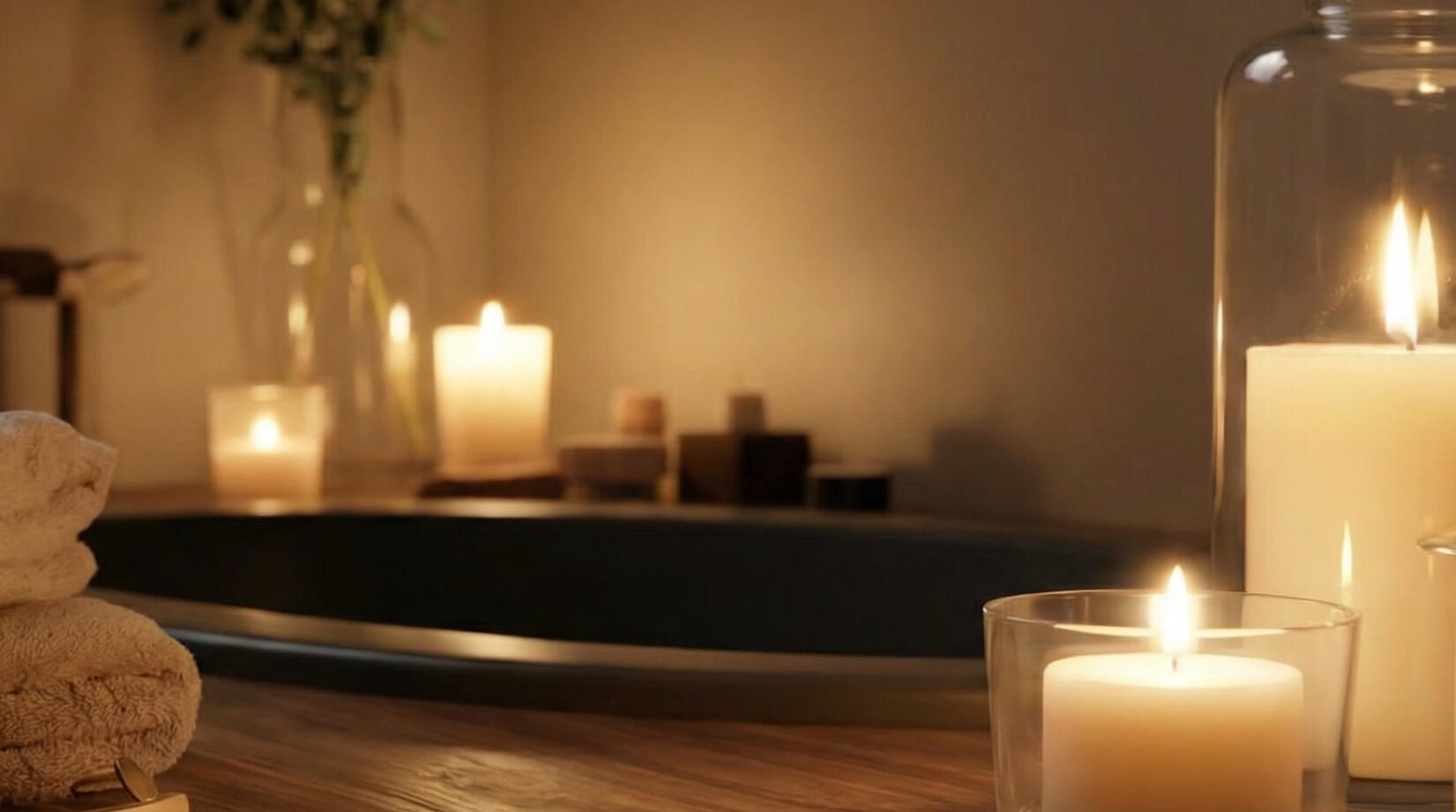
Further Reading & Source
Gooley, J. J. et al. (2011). Exposure to room light before bedtime suppresses melatonin onset and shortens melatonin duration in humans. Journal of Clinical Endocrinology & Metabolism.
https://academic.oup.com/jcem/article/96/3/E463/2833673Cajochen, C. et al. (2005). High sensitivity of human melatonin and alertness to short-wavelength light. Journal of Clinical Endocrinology & Metabolism.
https://academic.oup.com/jcem/article/90/3/1311/2836732Wittmann, M. et al. (2006). Social jetlag: misalignment of biological and social time. Chronobiology International.
https://www.tandfonline.com/doi/abs/10.1080/07420520500545979Buxton, O. M., & Cain, S. W. (2015). Ongoing circadian disruption and sleep deficiency. Science Translational Medicine.
https://www.science.org/doi/10.1126/scitranslmed.aad4530Sleep Foundation. What Is a Bedtime Routine?
https://www.sleepfoundation.org/sleep-hygiene/bedtime-routine
More readings


Designing a Restful Bedroom
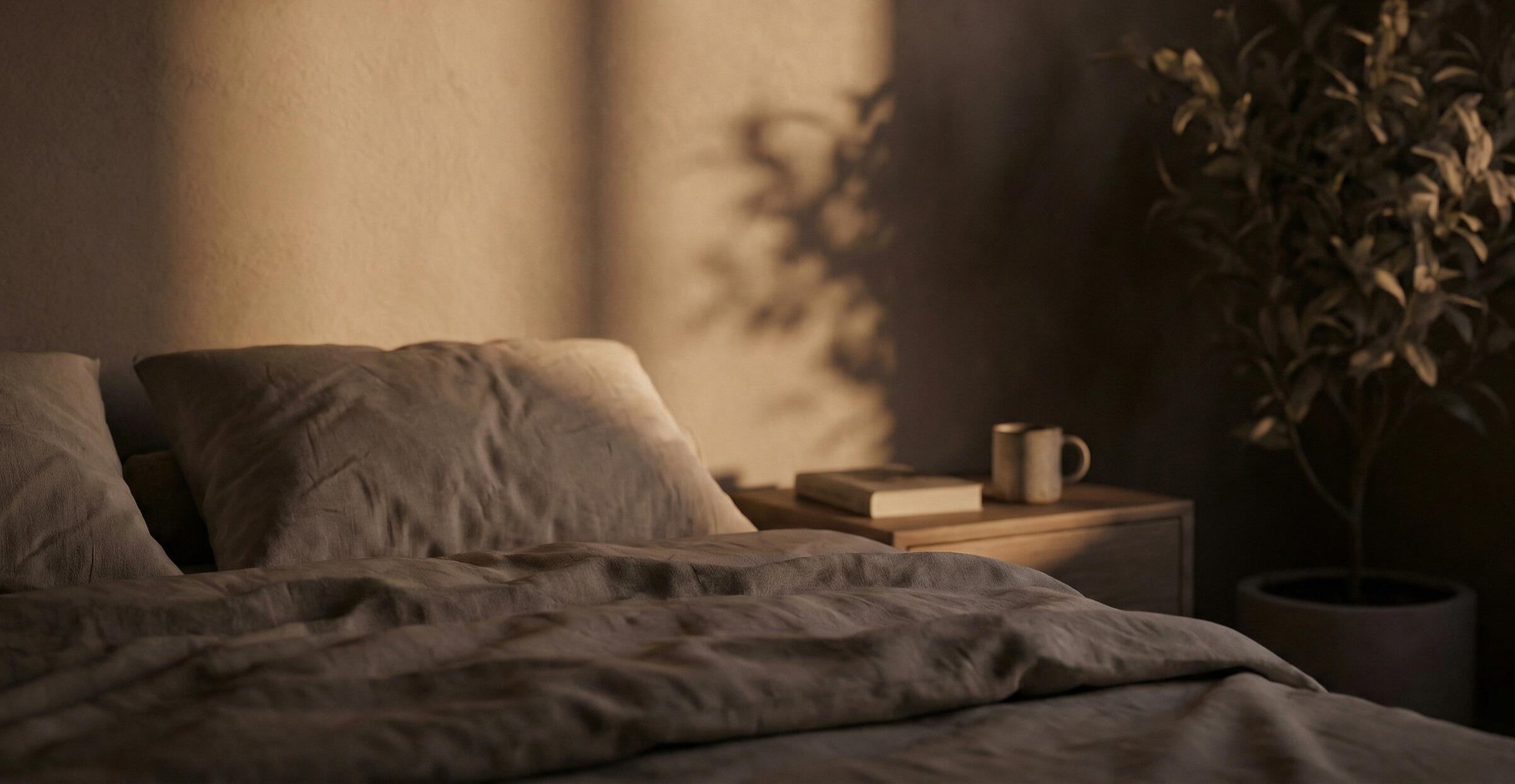
Light & Night Cues
A bedroom begins shaping rest through light long before sleep itself. Human circadian rhythms are highly sensitive to evening illumination, particularly during the hours when the brain is preparing for night-time physiology. Research has shown that typical indoor lighting levels, even those often considered “normal” or “relaxing,” can delay the natural rise of melatonin when exposure occurs late in the day. This effect is driven by melanopsin-containing retinal cells that communicate light information directly to the brain’s central circadian clock.Crucially, it is not brightness alone that matters. A substantial body of research demonstrates that blue-enriched light exerts a stronger circadian influence than warmer wavelengths at the same visual intensity. This helps explain why environments that gradually shift toward dimmer, warmer light in the evening are frequently described in the literature as being more aligned with night-time biological signaling. These lighting choices do not induce sleep, but they can reinforce the body’s interpretation of time of day, reducing mixed signals between indoor environments and the natural dusk outside.
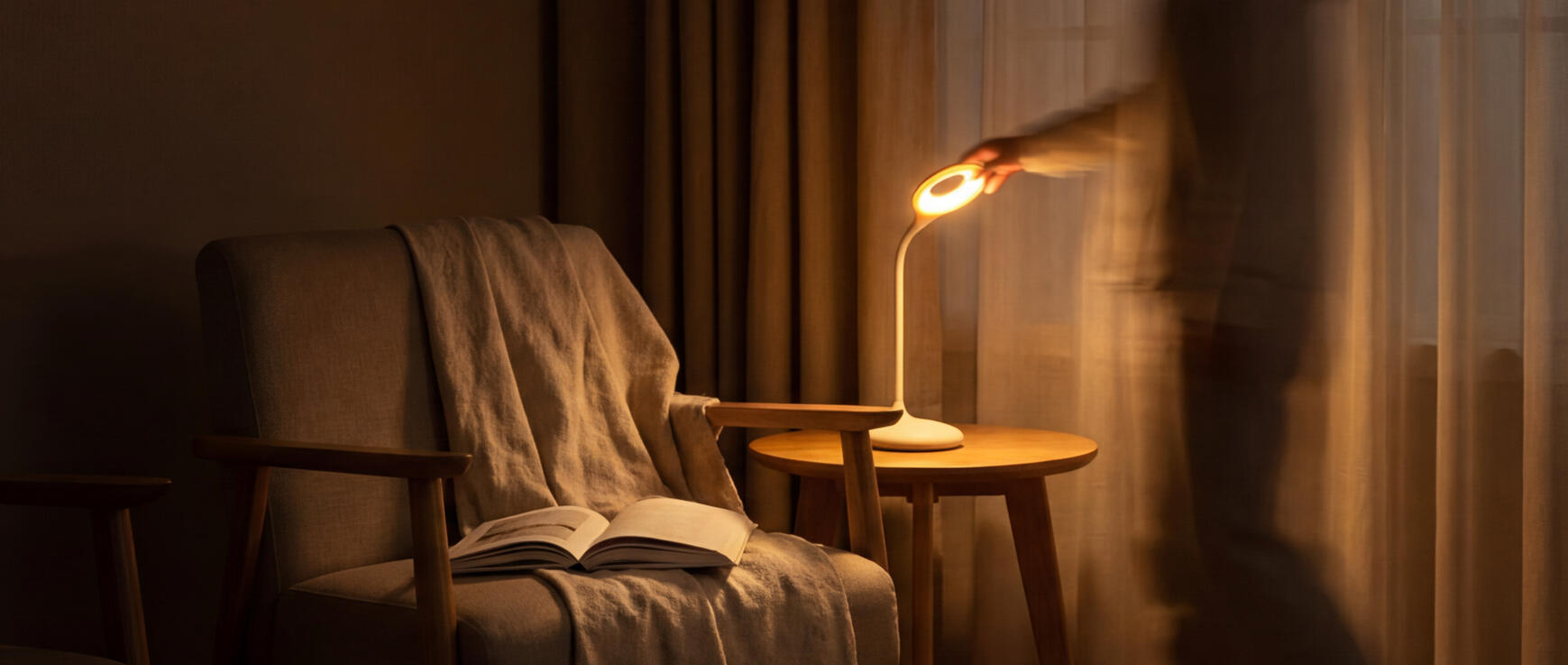
Temperature & Thermal Comfort
As evening progresses, the body undergoes a predictable decline in core temperature, a process closely tied to circadian regulation. Bedroom environments that support this cooling phase appear more compatible with night-time physiology. Experimental and observational studies suggest that many adults experience greater comfort and stability in sleep settings maintained around 18–21 °C, though individual needs vary based on age, bedding, and climate.Thermal comfort is also influenced by humidity. Very dry air can irritate airways, skin, and eyes, while high humidity can interfere with the body’s ability to dissipate heat. Research in indoor environmental quality commonly references a relative humidity range of approximately 40–60% as broadly supportive of comfort. When temperature and humidity fall within these ranges, the body expends less effort regulating itself, which may reduce low-level physiological stress during rest.

Air & Ventilation
Air quality is often invisible in the bedroom, yet research suggests it can influence how restorative a night feels. Field studies examining bedroom ventilation have found associations between elevated overnight carbon dioxide levels and reduced sleep satisfaction, as well as changes in deeper stages of sleep. In contrast, bedrooms with better airflow tend to maintain lower CO₂ concentrations and are often perceived as more comfortable across the night.These findings have led many researchers to emphasize ventilation as an overlooked component of sleep environments. Simple strategies such as allowing fresh air exchange through open windows, encouraging airflow between rooms, or using quiet mechanical ventilation systems are frequently discussed. The goal is not intervention, but maintaining an indoor atmosphere that remains fresh and stable over extended periods of rest.

Noise & Quiet
Sound plays a subtle but powerful role in shaping the sleep environment. Even when noise does not cause full awakenings, intermittent or unpredictable sounds can fragment sleep architecture and increase physiological arousal. Environmental health research indicates that night-time noise levels below approximately 30 decibels are least likely to disturb sleep continuity.Rather than pursuing complete silence, researchers often emphasize the importance of consistency. Stable background sounds, soft furnishings, and sound-dampening materials can help reduce sudden auditory changes. A bedroom that sounds predictable allows the nervous system to remain in a lower state of vigilance, reducing the likelihood of micro-arousals that disrupt rest.

Touch & Comfort
The physical surfaces of a bedroom form the most direct interface between body and environment. Research comparing sleep surfaces suggests that medium-firm mattresses are often associated with more stable sleep patterns than very soft alternatives, particularly in reducing unnecessary movement and postural strain. Bedding materials also play a role, especially in their ability to support temperature regulation throughout the night.Breathable fabrics such as cotton, linen, and wool are frequently discussed in the literature for their ability to adapt across seasonal temperature changes. From a physiological perspective, comfort reduces low-level sensory stress. The goal is not luxury or optimization, but adequacy, creating conditions that minimize physical distractions so the body can remain settled during rest.
Further Reading & Sources
Gooley, J. J. et al. (2011). Exposure to room light before bedtime suppresses melatonin onset and shortens melatonin duration in humans. Journal of Clinical Endocrinology & Metabolism.
https://academic.oup.com/jcem/article/96/3/E463/2833673Cajochen, C. et al. (2005). High sensitivity of human melatonin and alertness to short-wavelength light. Journal of Clinical Endocrinology & Metabolism.
https://academic.oup.com/jcem/article/90/3/1311/2836732Harding, E. C. et al. (2019). Temperature dependence of sleep. Frontiers in Neuroscience.
https://www.frontiersin.org/articles/10.3389/fnins.2019.00541Strøm-Tejsen, P. et al. (2016). Bedroom ventilation and sleep quality. Indoor Air.
https://onlinelibrary.wiley.com/doi/10.1111/ina.12284World Health Organization. (2009). Night Noise Guidelines for Europe.
https://www.who.int/publications/i/item/WHO-EURO-2009-3954-43738-61540
More readings


Evening Light
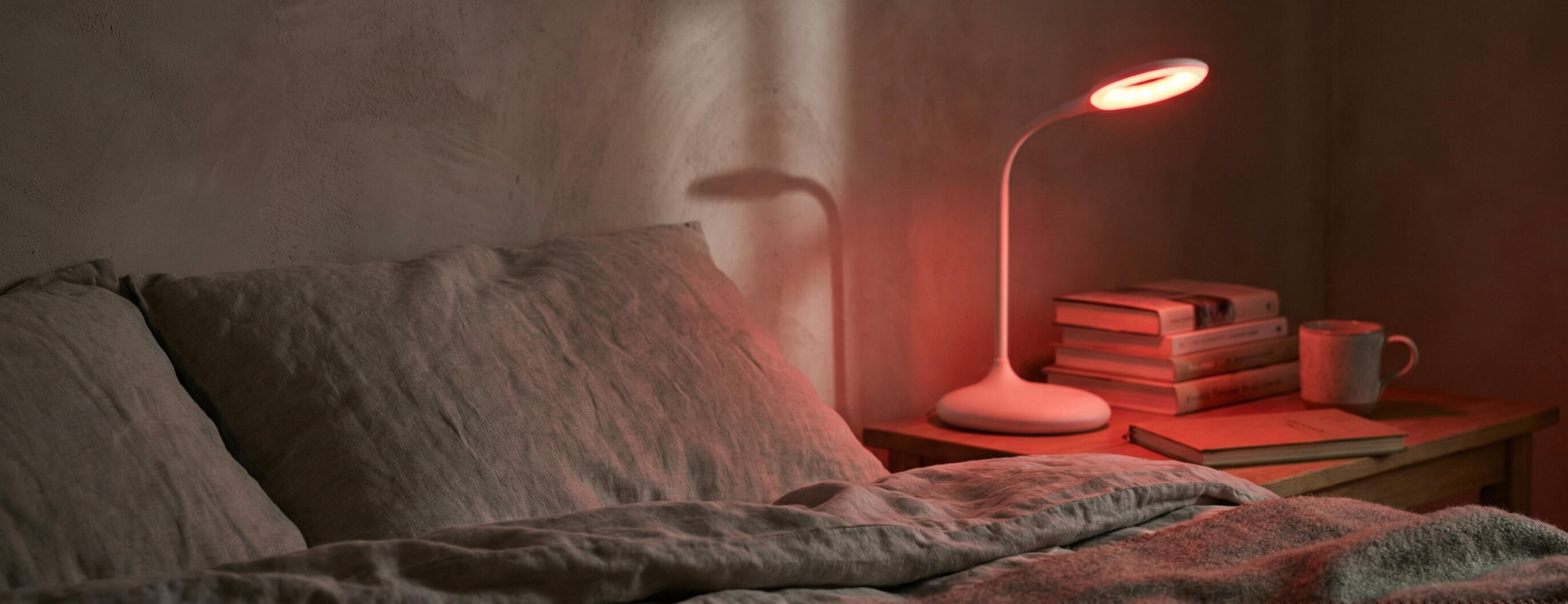
Why It Matters
As daylight fades, the human body expects a gradual transition into darkness. In natural settings, this shift is marked by dimmer light and longer, warmer wavelengths that signal nightfall. Modern indoor environments often disrupt this pattern, remaining brightly lit well into the evening with cool, blue-enriched light from overhead fixtures, phones, and laptops.Research has helped explain why this mismatch matters. The retina contains specialized photoreceptors known as intrinsically photosensitive retinal ganglion cells, which contain the photopigment melanopsin. These cells are particularly sensitive to short-wavelength blue light and communicate light information directly to the brain’s central circadian clock. Evening exposure to blue-heavy light has been shown to delay melatonin secretion and shift circadian timing later into the night.The contrast is familiar. Stepping outside into a soft, amber sunset, then returning indoors to a bright, blue-white ceiling lamp. One environment aligns with nightfall. The other signals continued daytime alertness. Research suggests that this difference in spectral quality, not just brightness, influences how the body interprets time of day.

Relaxation and Sleep
Light does more than guide circadian timing. It also shapes the tone of the nervous system. Exposure to cool, blue-enriched light in the evening has been associated with greater alertness and a subtle “wired” feeling, even when the body is otherwise preparing for rest.Controlled laboratory studies have shown that people exposed to cool white light, around 6,500 kelvin, experience stronger melatonin suppression and higher alertness than those under warmer light, even when brightness levels are matched. These findings help explain why dimming lights alone is often not enough. The quality of light, particularly its spectral composition, plays an important role in how ready the body feels to wind down.Shifting toward smaller, warmer light sources in the evening is frequently discussed in the literature as a way to reduce stimulation. When paired with calming routines such as stretching, journaling, or a warm shower, these environmental changes can help create a setting that feels more compatible with rest, without acting as a treatment or intervention.

Circadian Rhythm and Color
Circadian science has moved beyond simple statements such as “blue light is bad.” Today, researchers often describe light using melanopic equivalent daylight illuminance, or mEDI. This metric estimates how strongly a given light source stimulates the melanopsin system, regardless of how bright it appears to the eye.This distinction matters because two lamps that both measure the same lux can have very different biological impacts. A cool-white LED may deliver a strong melanopic signal, while a dim amber lamp may register very low, even if both seem equally bright. To address this, international standards bodies such as the International Commission on Illumination have published guidance to help designers and researchers evaluate lighting based on circadian relevance, not just visual brightness.Recent peer-reviewed studies continue to support this framework. In laboratory comparisons of evening light exposure, blue light around 464 nanometers consistently delayed melatonin onset, while red light around 631 nanometers produced little to no measurable effect. The takeaway is not that brightness is irrelevant, but that wavelength composition plays a central role in how evening light is interpreted by the body’s internal clock.
Designing Better Evening
Translating research into everyday life does not require extreme measures. Many researchers emphasize gradual, evidence-guided shifts rather than rigid rules. Lowering brightness earlier in the evening, then transitioning to warmer, long-wavelength light in the final hour before bed, is a commonly discussed approach.Evaluating lighting by its biological impact, rather than wattage alone, can also be useful. Light sources with lower melanopic stimulation tend to exert less influence on circadian signaling. Red and amber light, particularly sources with minimal blue content, are consistently described in the literature as less disruptive to melatonin pathways.Screens deserve special consideration. Night modes can reduce some stimulation, but lowering screen brightness, shifting to warmer profiles, or setting devices aside altogether remains the most robust approach discussed in research. For those who prefer not to manage multiple settings, some people choose long-wavelength or blue-free lamps designed specifically for evening environments. These are not medical devices and do not treat sleep conditions, but they can function as practical tools for maintaining a low-stimulation lighting atmosphere.Light is not just illumination. It is information. Each evening, lighting choices can reinforce either daytime alertness or night-time calm. Research suggests that aligning indoor light more closely with natural dusk supports this transition, without guarantees or promises about sleep outcomes.
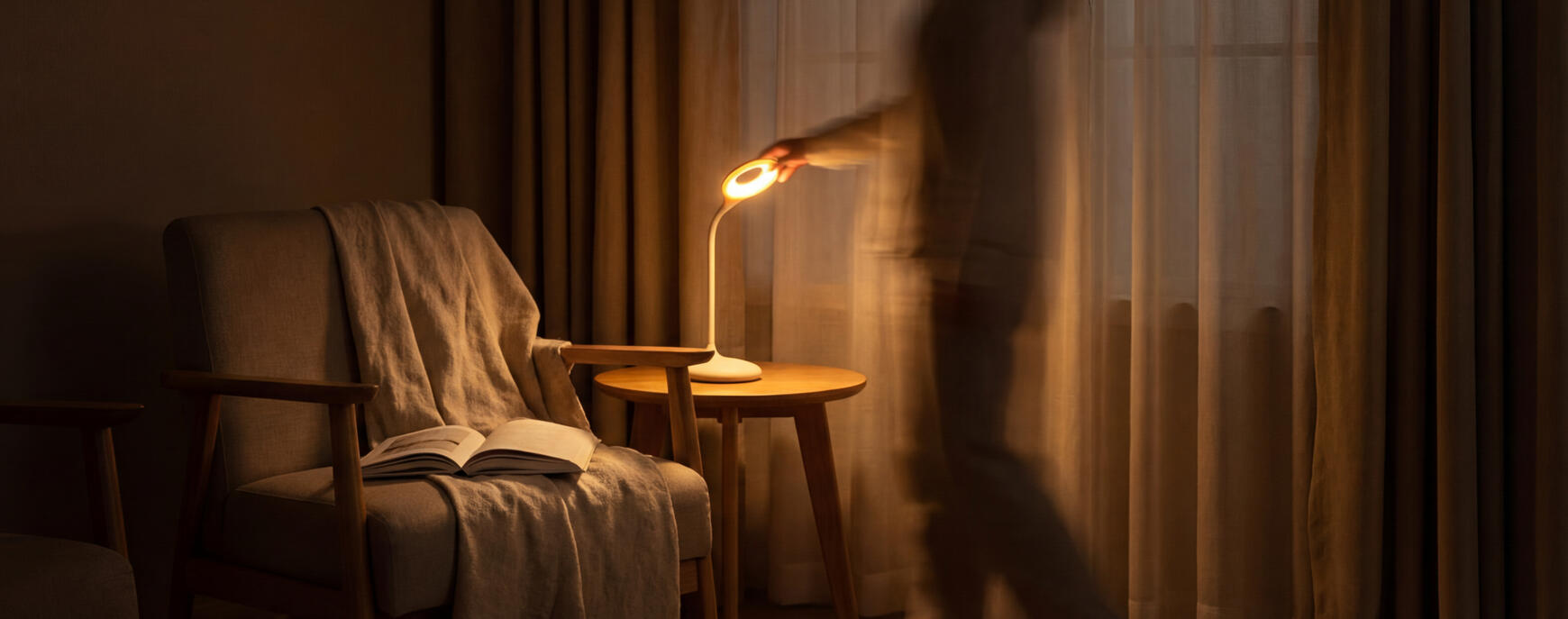
Further Reading & Sources
Gooley, J. J. et al. (2011). Exposure to room light before bedtime suppresses melatonin onset and shortens melatonin duration in humans.
https://academic.oup.com/jcem/article/96/3/E463/2833673Cajochen, C. et al. (2005). High sensitivity of human melatonin and alertness to short-wavelength light.
https://academic.oup.com/jcem/article/90/3/1311/2836732Souman, J. L. et al. (2018). Spectral tuning of white light allows reduction of melatonin suppression without changing illumination level.
https://journals.sagepub.com/doi/10.1177/0748730418777324Tosini, G., Ferguson, I., & Tsubota, K. (2016). Effects of blue light on the circadian system and eye physiology.
https://www.ncbi.nlm.nih.gov/pmc/articles/PMC4734149International Commission on Illumination (2018). CIE S 026/E:2018 — System for metrology of optical radiation for ipRGC-influenced responses to light.
https://cie.co.at/publications/cie-system-metrology-optical-radiation-iprgc-influenced-responses-light
More readings


Guides
Practical, evidence-informed tips you can start tonight. Keep what works, leave what doesn’t.
FAQ
Shipping & Returns
We ship all orders from our Melbourne base using our Australia Post Business Account — ensuring fast, tracked delivery across the country.Processing Time:
Orders are packed and shipped within 1–2 business days of purchase.Standard Shipping (Australia-wide):
Delivery usually takes 3–7 business days depending on your location.Express Shipping:
Need it faster? Choose Express at checkout — typically arrives within 1–3 business days.Tracking:
You'll receive a tracking number via email once your order is on the way.
Cannot find what you are looking for?
Please contact us.